










What's Happening?
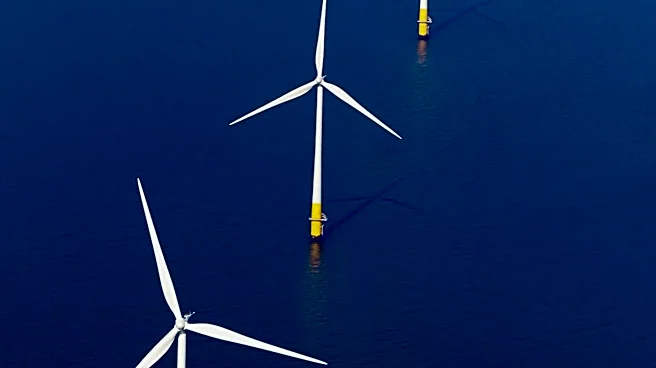
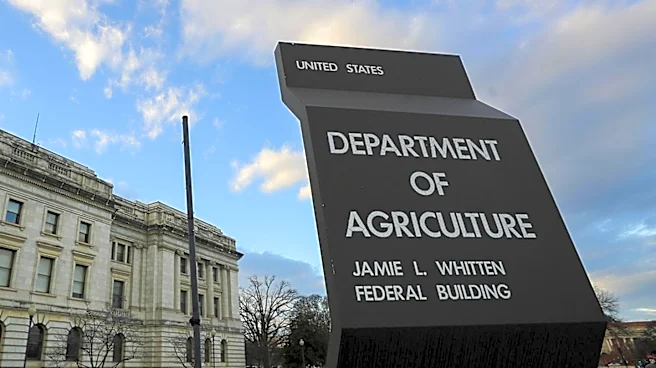
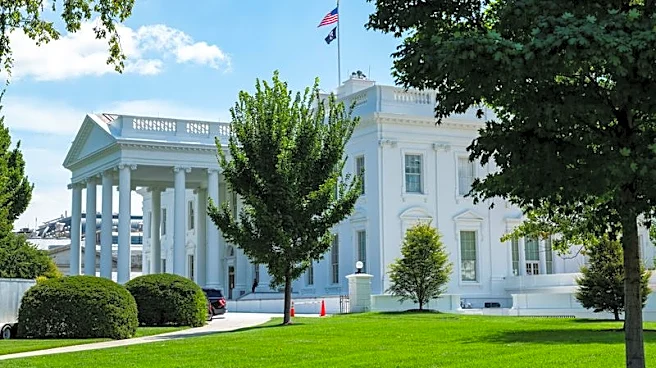
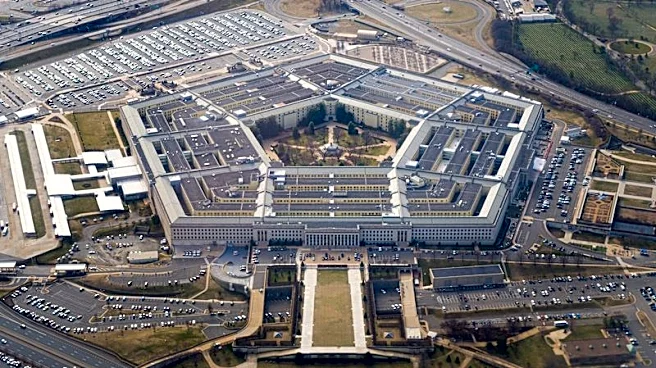
The Trump administration has halted offshore wind development, citing national security concerns. Interior Secretary Doug Burgum referenced a classified report from Defense Secretary Pete Hegseth, highlighting risks such as radar interference and vulnerabilities
to adversary technologies. This decision has led to the suspension of five major East Coast projects. The administration's stance aligns with President Trump's preference for fossil fuels over renewable energy. Despite legal challenges, federal judges have allowed some projects to resume, questioning the administration's motives.
Why It's Important?
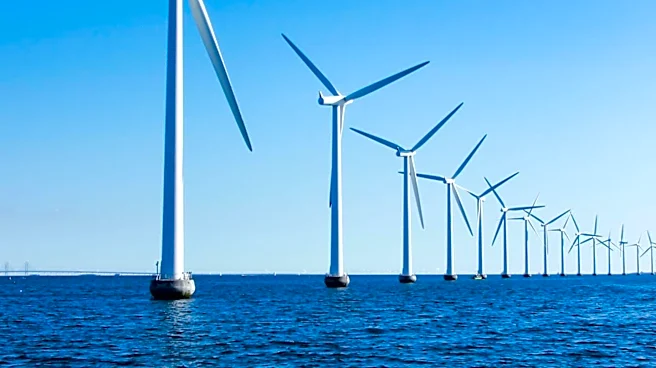
The halt on offshore wind projects has significant implications for the U.S. energy sector. Offshore wind is seen as a crucial component of a sustainable energy future, capable of providing substantial power to meet national demands. The administration's actions could hinder progress towards renewable energy goals, affecting climate change mitigation efforts. Additionally, the decision impacts economic stakeholders, including states and developers invested in wind energy. The legal and political battles surrounding this issue reflect broader tensions between fossil fuel interests and renewable energy advocates.
Beyond the Headlines
The national security rationale for halting offshore wind projects raises questions about the balance between energy development and defense priorities. Critics argue that the administration's actions may be driven by a desire to support fossil fuel industries rather than genuine security concerns. The situation highlights the complexities of integrating renewable energy into existing infrastructure while addressing potential security risks. The outcome of ongoing legal challenges could set precedents for future energy policy and national security considerations.