





What's Happening?
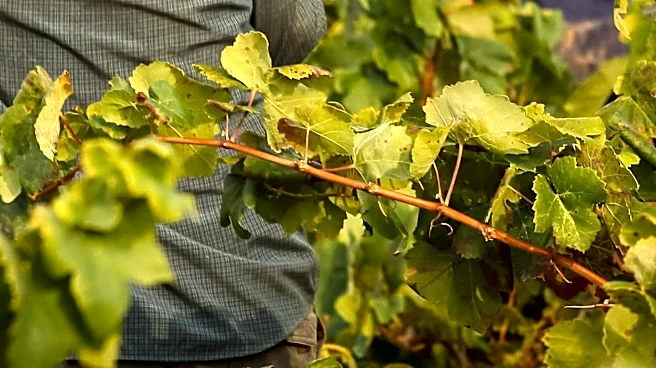
The Champagne region of France is experiencing exceptionally early grape harvests, with picking beginning as early as mid-August. This marks a significant shift from traditional harvest times, which historically allowed for a holiday period around August 15th.
For instance, Alexandre Gobillard, a production director with 30 years of experience, noted that harvesting in mid-August was previously unthinkable. The accelerated ripening of grapes is attributed to a combination of factors, including a late March frost followed by several heatwaves and severe drought, with temperatures reaching up to 40°C in June. This climate pattern has also led to an increased concentration of sugars in the grapes, requiring winegrowers to meticulously monitor ripeness to maintain the desired freshness and delicacy of Champagne. Ophélie Lapie-Lamiable, a vineyard owner, observes that since the 2003 heatwave, early harvests have become a recurring phenomenon, suggesting that mid-August harvests may become the new norm within two decades.
Why It's Important?
This shift in the Champagne harvest season underscores the profound impact of climate change on agricultural industries, particularly those with deep-rooted traditions and specific environmental requirements. The need to adapt practices, such as exploring new grape varieties more resilient to changing climates, highlights the economic vulnerability and innovation pressures faced by producers. The logistical challenges of organizing an earlier harvest, including housing and transporting thousands of seasonal workers during peak summer heat, add to operational costs and complexities. For consumers, these changes could eventually influence the taste profile and availability of Champagne, a globally recognized luxury product. The long-term viability of traditional winemaking regions is at stake, potentially leading to significant economic repercussions for local communities and the broader agricultural sector if effective adaptation strategies are not implemented.
What's Next?
The Champagne industry is actively exploring and implementing adaptation strategies to mitigate the effects of climate change. This includes researching and cultivating grape varieties that are more resistant to higher temperatures and drought conditions. Additionally, there will be continued efforts to refine vineyard management techniques to cope with earlier ripening and maintain grape quality. The industry will also need to address the logistical and social challenges associated with earlier harvests, such as ensuring adequate labor and suitable working conditions during hotter periods. The quality of these early vintages will be closely monitored over the next few years to determine their long-term impact on the reputation and market value of Champagne. Further research into climate-resilient viticulture and sustainable practices will be crucial for the future of the region's wine production.
Beyond the Headlines
The early Champagne harvest is a microcosm of a larger global issue: the widespread impact of climate change on agricultural systems and cultural heritage. Beyond the immediate economic and logistical concerns, there are deeper implications for the cultural identity and historical practices associated with winemaking. The concept of a 'grand cru' is intrinsically linked to specific terroir and traditional methods, which are now being challenged by environmental shifts. This situation prompts a reevaluation of what constitutes authenticity and quality in a changing climate. It also raises ethical questions about sustainability and the responsibility of industries to adapt while preserving their unique heritage. The Champagne region's response could serve as a model or a cautionary tale for other agricultural sectors facing similar environmental pressures, highlighting the need for proactive and innovative solutions to safeguard both economic stability and cultural legacy.