





What's Happening?
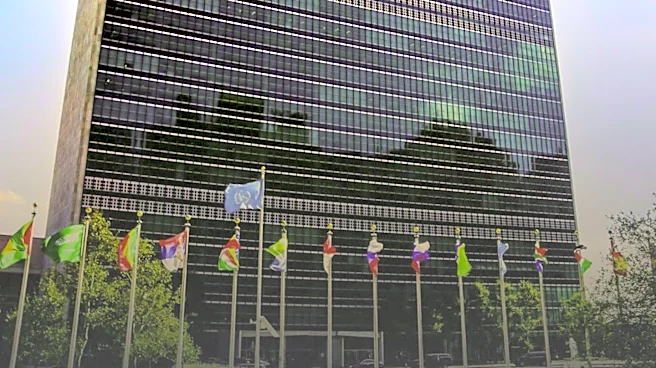
The World Jewish Congress (WJC) has welcomed a joint statement from 52 United Nations member states that reaffirms the fight against antisemitism as a fundamental human rights priority. The statement, led by Austria, Czechia, and Slovakia, specifically
addresses the growing threat of antisemitism through artificial intelligence (AI). It warns that AI, despite its innovative opportunities, can facilitate the rapid creation and spread of antisemitic content, Holocaust denial, disinformation, and harmful stereotypes. The WJC has actively worked with diplomatic missions in Geneva to build international support for this initiative, ensuring that combating antisemitism remains a key focus of the UN Human Rights Council. This annual initiative, first launched in 2020, has previously tackled issues such as online antisemitism and hatred in sports, and this year highlights the risks and opportunities presented by AI. The statement calls on governments, technology companies, and other stakeholders to enhance safeguards, transparency, due diligence, human oversight, and accountability in the development and deployment of AI.
Why It's Important?
This joint statement is significant because it elevates the fight against antisemitism to a global human rights priority, emphasizing that it is not solely a Jewish concern but a universal human rights issue. The explicit focus on artificial intelligence highlights a critical emerging challenge, as AI's capacity to rapidly disseminate harmful content poses a new and complex threat to combating antisemitism and other forms of hate speech. By calling for stronger safeguards and accountability from governments and technology companies, the statement underscores the need for proactive measures to prevent AI from becoming a tool for spreading hatred. This initiative also demonstrates the effectiveness of sustained multilateral efforts in addressing pressing human rights issues within international bodies like the UN Human Rights Council, providing a platform for Jewish communities worldwide to voice their concerns and experiences directly.
What's Next?
Following this statement, the focus will likely shift to the implementation of the recommended safeguards and accountability measures by governments and technology companies. The call for enhanced transparency, due diligence, and human oversight in AI development and deployment suggests that regulatory frameworks and industry best practices may evolve to address these concerns. The World Jewish Congress and other human rights organizations will likely continue to monitor these developments and advocate for robust protections against the misuse of AI. Furthermore, the ongoing engagement of the WJC at the UN Human Rights Council, including through the Universal Periodic Review process, indicates continued efforts to provide platforms for national Jewish communities to address human rights issues in their respective countries, ensuring that their experiences and priorities remain integrated into the international human rights system.
Beyond the Headlines
The statement's emphasis on AI's potential for spreading antisemitism points to a broader ethical and societal challenge concerning the responsible development and use of advanced technologies. The rapid evolution of AI necessitates a critical examination of how these tools can be manipulated to amplify existing prejudices and create new forms of discrimination. This issue extends beyond antisemitism to encompass other forms of hate speech and disinformation, raising fundamental questions about freedom of expression, content moderation, and the role of technology companies in shaping public discourse. The recognition of the IHRA Working Definition of Antisemitism as a practical tool also highlights the importance of clear definitions in combating hate, suggesting a potential model for addressing other forms of prejudice in the digital age. Ultimately, this development underscores the urgent need for a global, multi-stakeholder approach to ensure that technological advancements serve humanity's best interests rather than exacerbating societal divisions.