


What's Happening?
Indian Prime Minister Narendra Modi has recently shifted his social media strategy on Instagram, moving from carefully curated posts to a more casual and candid style. This new approach includes 'get-ready-with-me' reels and selfie-style addresses, where
he refers to young people as 'friends.' This change is a deliberate effort to connect with India's Gen Z population, who are increasingly influential in the country's political landscape. Modi, who has over 106 million Instagram followers, has historically maintained a strongman image through formal speeches and choreographed appearances. The Bharatiya Janata Party (BJP) is known for its robust digital strategy, which was instrumental in its 2014 election victory, but this new focus on Instagram reflects an adaptation to how younger Indians consume content and politics. The shift comes after youth protests in India, which gained significant traction through online platforms like Instagram reels and memes, highlighting the need for political leaders to engage effectively with younger demographics on their preferred platforms.
Why It's Important?
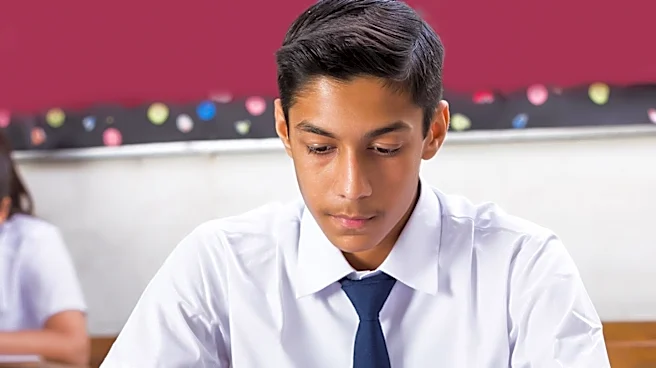
This strategic pivot by Prime Minister Modi and the BJP underscores a growing recognition among political entities of the critical role social media, particularly platforms like Instagram, plays in engaging younger voters. In India, over 60% of the population is under 35, and Gen Z is projected to be a major voting bloc by the 2029 general election. The ability to connect with this demographic through authentic and relatable content is becoming paramount for political success. The BJP's previous mastery of platforms like WhatsApp and X (formerly Twitter) is now being extended to Instagram, indicating a comprehensive effort to maintain digital dominance across various social media landscapes. This trend is not unique to India, as political figures globally are increasingly leveraging social media to bypass traditional media and directly communicate with constituents, especially younger ones. The success or failure of this new approach could set a precedent for how political campaigns are conducted in the future, emphasizing personal connection over formal messaging.
What's Next?
The BJP's continued efforts to refine its Instagram strategy will likely involve further experimentation with content formats and engagement tactics to resonate with Gen Z. Federal ministers have reportedly been instructed to enhance their social media presence, suggesting a broader party-wide push to adapt to these new communication norms. The recent replacement of the party's social media chief, Amit Malviya, could indicate an ongoing re-evaluation of their digital team's capabilities and strategies. Other political leaders, such as Congress leader Rahul Gandhi, are also actively using Instagram for similar purposes, suggesting a competitive landscape where authenticity and direct engagement will be key differentiators. The effectiveness of these strategies will be closely watched, particularly as the 2029 general election approaches, to see if a casual Instagram style can translate into tangible political support from younger voters. This shift could also influence how political parties allocate resources for digital outreach and content creation.
Beyond the Headlines
The adoption of a more casual Instagram style by political leaders like Narendra Modi highlights a significant cultural and political shift towards 'personal branding' in governance. This move blurs the lines between political communication and influencer culture, raising questions about the authenticity of political messaging and the potential for 'performative' engagement. While it aims to foster a sense of connection, it also risks trivializing serious political discourse if not handled carefully. The initial sarcastic responses from young users to Modi's selfie-videos suggest that Gen Z is discerning and can detect inauthenticity, indicating that genuine engagement, rather than mere adoption of trends, will be crucial. This trend also reflects a broader societal change where digital natives expect direct, unfiltered interactions with public figures, challenging traditional hierarchical communication structures. The long-term implications could include a more personalized and less formal political arena, where leaders are increasingly judged on their ability to connect on a human level through digital platforms.