






What's Happening?
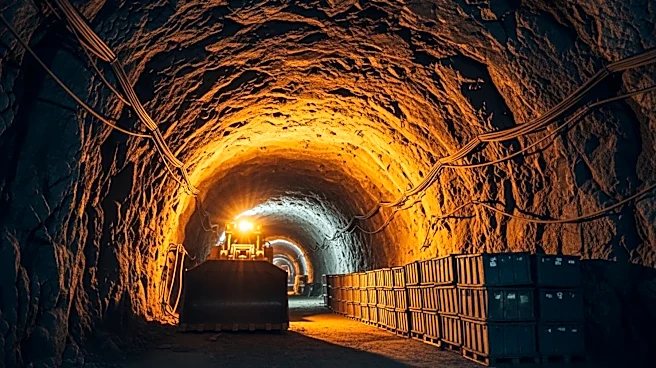
A proposed gold mine by Australian company Santana Minerals is causing concern among winemakers in New Zealand's Central Otago region. The Bendigo-Ophir mine, if approved, would involve large-scale excavation and could potentially disrupt the region's
vineyards, which are known for producing some of New Zealand's finest wines. The project includes plans for a massive open pit and several smaller pits, raising environmental concerns about dust, arsenic, and potential water contamination. Local winemakers, including actor Sam Neill, have voiced strong opposition, citing the mine's potential to harm the region's wine industry and natural landscape.
Why It's Important?
The proposed gold mine poses a significant threat to Central Otago's wine industry, which is a major contributor to New Zealand's economy and tourism. The environmental risks associated with the mine could lead to long-term damage to the region's vineyards, affecting wine production and quality. This situation highlights the ongoing conflict between industrial development and environmental conservation. The outcome of this proposal could set a precedent for how similar conflicts are managed in the future, impacting both local communities and the broader wine industry.
What's Next?
A decision on the mine's approval is expected in late October, following an assessment by a specialist panel. In the meantime, local winemakers and environmental groups are likely to continue their campaign against the project, seeking to raise awareness and gather support. The outcome will be closely watched by stakeholders in the wine industry and environmental advocates, as it could influence future policy decisions regarding land use and resource extraction in New Zealand.
Beyond the Headlines
The proposed mine raises ethical questions about the balance between economic gain and environmental stewardship. It also highlights the cultural significance of the land to local communities, including the Maori, who have expressed concerns about treaty breaches. The situation underscores the need for sustainable development practices that consider long-term environmental and cultural impacts.