






What's Happening?
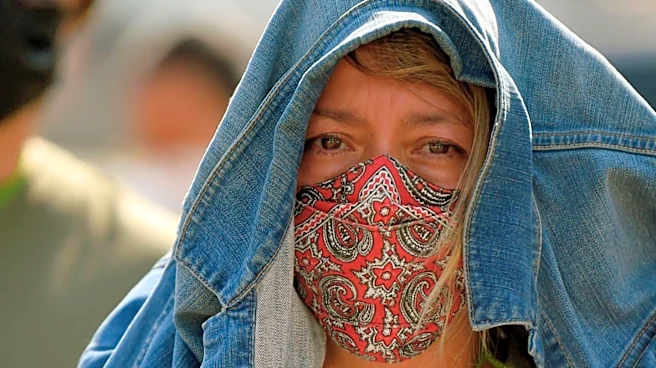
Over 30 community members from Florida's Space Coast, organized by the Space Coast Immigrant Rights Alliance (SCIRA), protested outside the office of Representative Mike Haridopolos in Melbourne, Florida. The demonstration on Saturday, August 8, called
for the U.S. government to reinstate Temporary Protected Status (TPS) for Haitian and Syrian immigrants. This policy was reportedly canceled by the Trump administration as part of its immigration enforcement efforts. Florida has the largest population of Haitian immigrants in the U.S., with over 4,000 residing in Brevard County. Activists from groups including Brevard Youth for Democracy, Awake Brevard Action Alliance, and Freedom Road Socialist Organization Orlando participated, holding signs and chanting at a busy intersection. A SCIRA member highlighted Haiti's history, stating the nation has not seen peace since its independence in 1804, and demanded an immediate end to the 287(g) program.
Why It's Important?
The protest underscores the ongoing national debate and community activism surrounding immigration policies, particularly the Temporary Protected Status program. The cancellation of TPS for Haitian and Syrian immigrants by the Trump administration has significant implications for thousands of individuals who have built lives in the U.S., potentially forcing them to return to countries facing instability or conflict. For Florida, which hosts a substantial Haitian immigrant population, the policy directly impacts a significant portion of its residents and local communities. The demand to end the 287(g) program also highlights concerns about local law enforcement's role in federal immigration enforcement, raising questions about civil liberties and community trust. The sustained activism reflects a broader societal push for more humane and stable immigration policies, influencing public discourse and potentially future legislative actions at both state and federal levels.
What's Next?
The Space Coast Immigrant Rights Alliance and other activist groups are expected to continue their advocacy efforts, potentially organizing further protests and engaging in lobbying to pressure lawmakers for the reinstatement of TPS for Haitian and Syrian immigrants. The ongoing legal challenges against the Trump administration's immigration policies may also see further developments, which could impact the status of these immigrant communities. Local and national political figures, including Representative Mike Haridopolos, will likely face continued pressure from these groups, potentially influencing their stances or actions on immigration reform. The upcoming election cycles could also see immigration as a key issue, with candidates being pressed to articulate their positions on TPS and other related policies. The activists' commitment to a '24/7' fight suggests a sustained campaign until their demands are met.
Beyond the Headlines
This protest touches upon deeper ethical and humanitarian considerations regarding the U.S.'s role in providing refuge to those fleeing unstable conditions. The historical context of Haiti, as highlighted by a SCIRA member, brings to light the long-standing geopolitical factors that contribute to migration and the moral obligations of more stable nations. The debate over TPS and programs like 287(g) also reflects a fundamental tension between national security concerns and human rights, often leading to complex legal and social challenges. The involvement of various community organizations, from youth groups to socialist organizations, demonstrates a broad-based coalition united by a common cause, highlighting the power of grassroots movements in shaping public opinion and policy. The long-term implications could include shifts in how the U.S. defines and implements its humanitarian aid and immigration policies, potentially leading to a re-evaluation of international responsibilities and domestic integration strategies for immigrant populations.