




What's Happening?
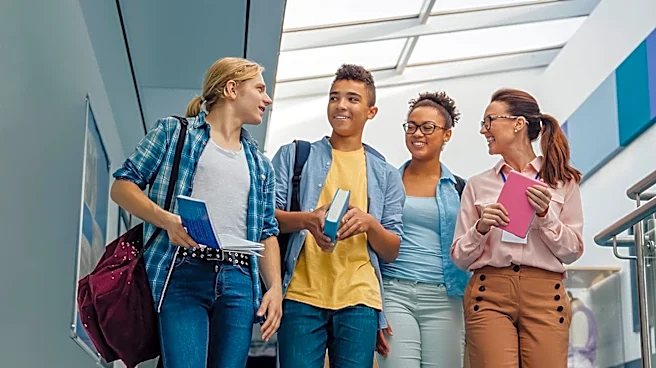
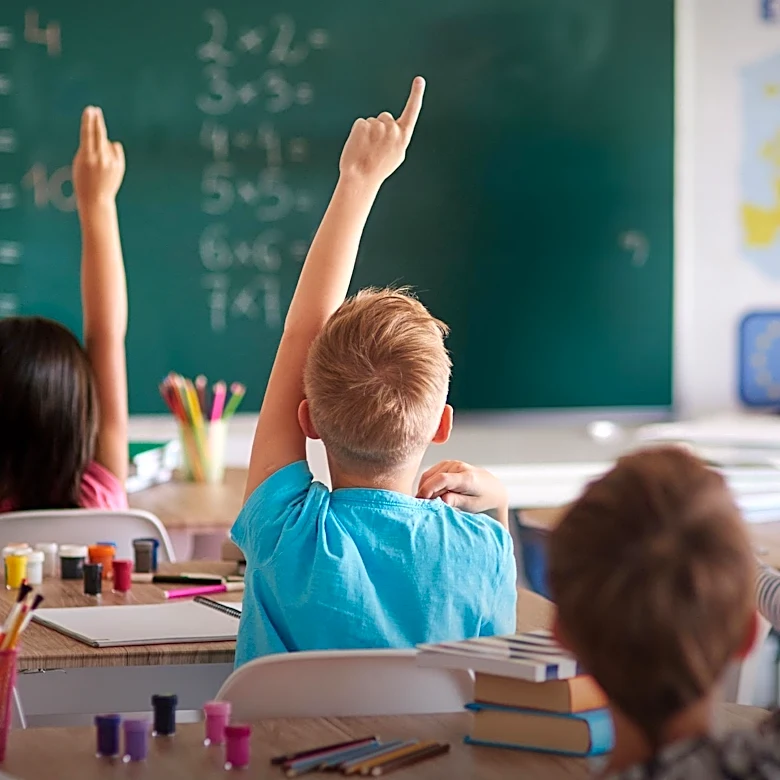
A report by the National Association of State Boards of Education (NASBE) and KnowledgeWorks highlights that 40% of Gen Z high schoolers feel unprepared for the future, three in ten feel they don't belong in school, and less than half enjoy school daily.
These statistics, coupled with high chronic absenteeism rates, underscore the urgent need to rethink the high school experience. The report examines how state leaders, particularly state boards of education, can move beyond a traditional one-size-fits-all model to empower communities in building high school experiences that meet the needs of today's students. It outlines a vision for states to create a policy environment that supports local innovation and makes school more meaningful. Examples include California's Secondary School Redesign Pilot, Washington's Future Ready Taskforce, Indiana's profile of a graduate dashboard, and Kentucky's legislation supporting local accountability systems.
Why It's Important?
This initiative is critical for the future of the U.S. education system and its workforce. A significant portion of Gen Z feeling unprepared or disengaged in high school can lead to long-term negative impacts on individual career prospects, economic productivity, and societal well-being. By transforming high school education to be more student-centered and relevant, states aim to improve student engagement, reduce absenteeism, and better prepare young people for an increasingly complex future. This could lead to a more skilled and adaptable workforce, addressing the needs of various industries. The focus on local innovation and tailored approaches recognizes that diverse communities have unique needs, allowing for more effective solutions than a uniform national standard. Successful implementation of these policies could foster a generation of more confident, capable, and engaged citizens.
What's Next?
States are expected to continue developing and implementing policies that support high school transformation, focusing on student-centered learning, college and career readiness, and the development of durable skills. This will likely involve ongoing collaboration between state leaders, educators, and community stakeholders to refine and expand existing pilot programs and legislative frameworks. The report suggests that defining measurable outcomes for a holistic high school experience and removing barriers to innovation will be key. Missouri's integration of Individual Student Planning and support for school counselors through regional career advisors exemplifies the kind of comprehensive approach that may become more widespread. The success of these initiatives will depend on sustained political will, adequate funding, and continuous evaluation to ensure they effectively address the needs of Gen Z students.
Beyond the Headlines
The disengagement of Gen Z in high schools points to a deeper societal challenge regarding the purpose and effectiveness of traditional education models in the 21st century. The report's findings suggest that current systems may not be adequately addressing the psychological, social, and practical needs of young people. This raises ethical questions about educational equity and the responsibility of institutions to foster a sense of belonging and purpose. The emphasis on 'durable skills' and 'future-focused learning experiences' reflects a recognition that rote memorization is insufficient for navigating a rapidly changing world. This transformation could lead to a paradigm shift in how education is conceived, moving towards more personalized, experiential, and community-integrated learning environments that prioritize student well-being and real-world applicability.