





What's Happening?
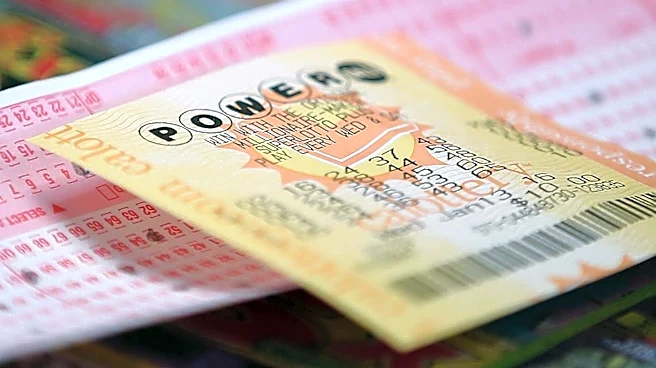
A Powerball ticket sold at Hanley's Market in Bristol, Maine, secured a $100,000 prize in Wednesday's drawing. This ticket matched four white balls and the red Power Ball, and included the Power Play option, making it one of only three such winning tickets
nationwide for that drawing. While no one hit the jackpot, five other tickets across the country won $50,000 by matching four white balls and the Power Ball without the Power Play. The winning numbers for Wednesday's drawing were 12, 32, 45, 50, 58, and the Power Ball was 2. This win continues a trend of significant Powerball prizes in Maine, with two $50,000 tickets sold in the state earlier in the month at Gary's Quick Stop in Richmond and the Market Basket in Topsham, and another at Wells Super Food Market in Wells.
Why It's Important?
This Powerball win highlights the ongoing engagement of U.S. citizens in lottery games, which contribute significantly to state revenues often earmarked for public services like education, infrastructure, and environmental conservation. The consistent sale of winning tickets in Maine, even for non-jackpot prizes, demonstrates the widespread participation and the potential for individual financial impact. For the winner, $100,000 represents a substantial sum that could lead to significant personal financial changes, such as debt reduction, investment, or major purchases. For the state, the lottery system generates funds that support various programs, making these drawings more than just individual wins but also a mechanism for public funding. The increasing jackpot also serves to draw more participants, further boosting ticket sales and potential state revenue.
What's Next?
The Powerball jackpot for the upcoming Saturday drawing has now increased to an estimated $98 million, continuing to attract national attention and participation. Lottery officials will be awaiting the claim of the $100,000 prize from the winner in Bristol, Maine. The increased jackpot is expected to drive higher ticket sales across the country, potentially leading to further significant wins in subsequent drawings. As the jackpot grows, public interest typically intensifies, which could result in even larger jackpots if no grand prize winner emerges in the next drawing. State lottery commissions will continue to manage the sales and distribution of prizes, ensuring the integrity of the game and the allocation of funds to designated state programs.
Beyond the Headlines
The recurring wins in Powerball, even for smaller but still substantial amounts, underscore the broader societal role of lotteries in the U.S. Beyond the immediate financial gain for winners, lotteries tap into a collective hope for life-changing wealth, often serving as a form of entertainment and a voluntary contribution to public funds. The consistent participation, as seen in Maine, reflects a cultural phenomenon where the dream of a jackpot fuels ticket purchases, regardless of the odds. This system, while offering individual windfalls, also acts as a significant, albeit regressive, tax on participants, with proceeds often directed towards public services. The allure of the lottery persists, demonstrating its deep integration into American leisure and state funding mechanisms.