





What's Happening?
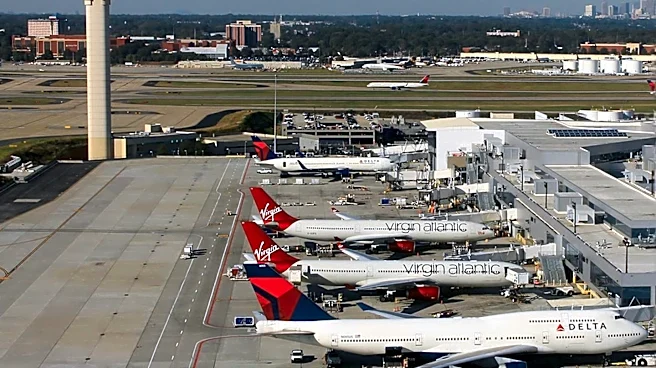
A Delta flight, number 251, en route from Barcelona to Boston, was forced to make an emergency landing in Porto, Portugal, after fumes filled the cabin. The incident occurred on a Sunday, leading to the evacuation of nearly 300 passengers and a 13-person
crew. Three passengers were transported to a local hospital but have since been released. Passengers, including Danielle and Chris Sargent from Sterling, Massachusetts, described a rapid descent from 30,000 to 10,000 feet. Following the emergency landing, many passengers reported significant confusion and a lack of clear communication from Delta regarding their onward travel. Bill and Rene Cantwell of Haverhill described feeling 'abandoned' and witnessed 'fist fights' among frustrated passengers at the airport. Some travelers faced additional hardships, such as running out of medication and incurring unexpected out-of-pocket expenses while stranded in Portugal for days.
Why It's Important?
This incident highlights critical issues in airline emergency response beyond the immediate safety of a flight diversion. While passengers acknowledged Delta's effective handling of the in-flight emergency, the subsequent breakdown in communication and logistical support for nearly 300 stranded individuals underscores potential vulnerabilities in airline customer service protocols during unforeseen disruptions. Such situations can severely impact passenger trust and loyalty, especially for international travelers who may face language barriers, visa complications, and limited access to essential services in a foreign country. The reported 'fist fights' and feelings of abandonment indicate a significant failure in managing passenger expectations and providing adequate support, which can lead to reputational damage for the airline and broader concerns about the travel industry's preparedness for large-scale disruptions. For U.S. travelers, this event serves as a reminder of the importance of travel insurance and personal preparedness for unexpected delays and diversions.
What's Next?
Delta has acknowledged the inconvenience and stated that employees are contacting customers to process expense reimbursements. The airline also announced that it has offered full refunds for eligible tickets as a gesture of goodwill. They emphasized that all customers were eventually accommodated on alternative flights, including those with partner airlines. Moving forward, Delta will likely review its post-diversion communication and logistical support procedures to prevent similar issues. This incident may prompt other airlines to re-evaluate their own emergency response plans, particularly concerning passenger care and rebooking processes in international settings. Passengers affected by such events may also increasingly turn to social media and consumer advocacy groups to share their experiences, potentially influencing future airline policies and consumer protections related to flight disruptions.
Beyond the Headlines
The incident transcends a mere mechanical issue and delves into the psychological and logistical challenges faced by travelers in an increasingly interconnected world. The rapid descent and cabin fumes undoubtedly caused significant distress, but the prolonged stranding and perceived abandonment by the airline introduced a different layer of trauma and frustration. This event underscores the delicate balance between ensuring immediate safety and providing comprehensive, empathetic support in the aftermath of an emergency. It also brings to light the broader implications for the travel industry, where the reliance on technology for communication can sometimes fall short in high-stress, human-centric situations. The 'fist fights' reported by passengers are a stark indicator of the emotional toll and stress that can accumulate when individuals feel helpless and uninformed, highlighting the need for airlines to prioritize not just physical safety, but also the emotional well-being and clear communication with their customers during crises.