



What's Happening?
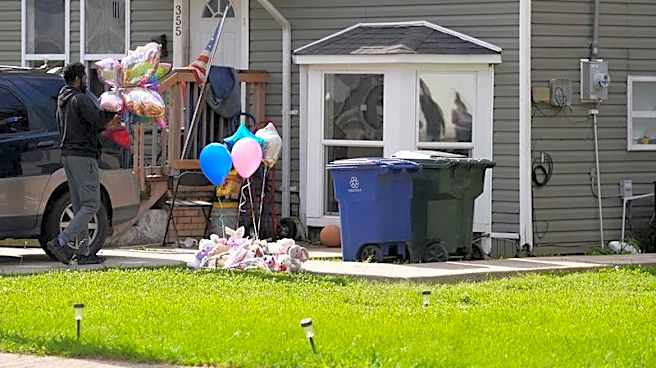
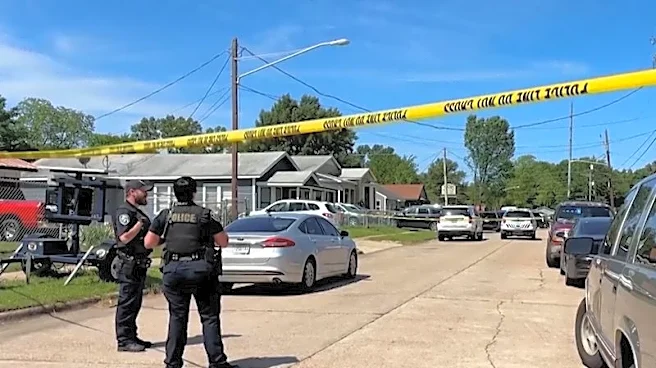
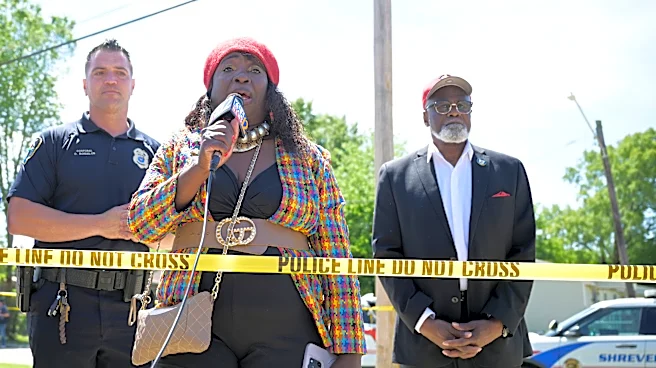
Recent deadly domestic violence cases in Louisiana and Virginia have sparked a national conversation about the need for more prevention resources and mental health care for Black communities. In Shreveport, Louisiana, Shamar Elkins fatally shot seven
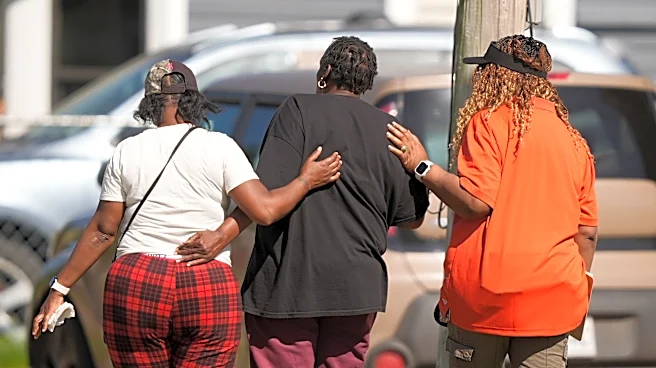
of his children and another child, while in Virginia, former Lt. Gov. Justin Fairfax killed his estranged wife and himself. These incidents highlight the vulnerability of Black women to domestic violence, as they are statistically more likely to be murdered by men they know. Advocates emphasize the need to address disparities in access to care and resources, which make some women and children more susceptible to violence.
Why It's Important?
The incidents underscore a broader issue of domestic violence disproportionately affecting Black women, who face higher rates of intimate partner violence compared to other racial groups. This situation is exacerbated by systemic issues such as institutionalized racism, which fosters skepticism towards seeking help from authorities. The tragedies highlight the urgent need for targeted interventions and resources to protect vulnerable communities and address the root causes of domestic violence. The societal impact is significant, as it affects not only the victims but also the broader community's sense of safety and well-being.
What's Next?
Advocates are calling for increased funding and resources for domestic violence prevention programs, particularly those tailored to the needs of Black communities. There is also a push for more comprehensive mental health services to address underlying issues that may contribute to domestic violence. Policymakers and community leaders are urged to collaborate on creating effective strategies to prevent such tragedies and support survivors. The focus is on fostering a safer environment through education, awareness, and systemic change.