





What's Happening?
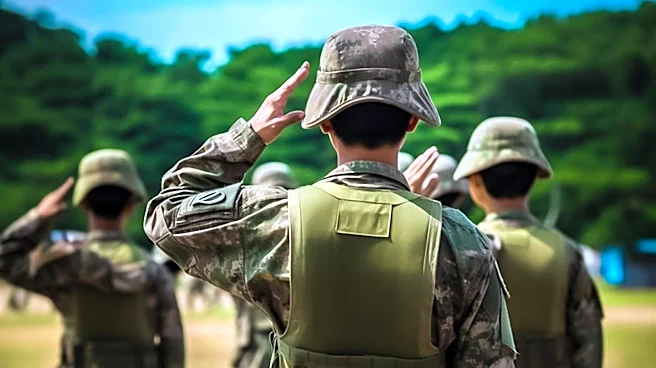
The Taiwan Army is rolling out a new Combat Training Center 2.0 program, replacing its traditional model of short, concentrated evaluations and scripted exercises. This new program is built on three core principles: abandoning scorecards, transforming
the role of evaluators, and conducting unscripted training. Commanders are now responsible for establishing their own training objectives and evaluation criteria, tailored to their units' actual capabilities and operational missions, while still meeting minimum military regulations. Instructors are transitioning from 'evaluators' to 'observers,' undergoing specialized training to observe operations at various unit levels without compromising safety. The program emphasizes repeating poorly performed tasks to ensure soldiers absorb combat lessons through hands-on experience and focuses on improving coordinated operations across different units, addressing historical weaknesses in inter-unit communication and support.
Why It's Important?
This shift in Taiwan's military training methodology is crucial for enhancing its combat readiness and overall defense capabilities. By moving away from scripted exercises, the army aims to foster more realistic and adaptable responses to potential threats, which is particularly vital given the complex geopolitical environment in the region. Improved coordination between units, a key focus of CTC 2.0, is essential for effective joint operations in modern warfare. The emphasis on hands-on learning and continuous improvement, rather than just passing evaluations, will likely lead to a more proficient and resilient fighting force. This program reflects a strategic effort to modernize military training to meet contemporary challenges, ensuring that Taiwan's defense forces are better prepared for unpredicted scenarios and can operate more cohesively.
What's Next?
Following base training, units will progress to joint exercises, which will include live-fire assessments, brigade-level force-on-force drills, and comprehensive defense plan rehearsals. The continuous feedback loop, where units repeat tasks until proficiency is achieved, suggests an ongoing process of refinement and adaptation within the training regimen. The success of CTC 2.0 will likely be measured by the improved performance and coordination of Taiwan's military units in these advanced exercises. This new approach could also serve as a model for other nations looking to enhance their military training realism and effectiveness. The long-term impact will be a more agile and responsive Taiwan Army, better equipped to defend the nation against potential aggressors.
Beyond the Headlines
The implementation of Combat Training Center 2.0 signifies a deeper strategic re-evaluation within Taiwan's military, moving towards a more dynamic and adaptive defense posture. This unscripted approach to training reflects an understanding that future conflicts will be unpredictable and require forces capable of independent decision-making and flexible execution. It also highlights a cultural shift within the military, empowering commanders with greater autonomy in training design and fostering a learning environment focused on practical application rather than rote adherence to procedures. This evolution in military doctrine could have broader implications for regional stability, signaling Taiwan's commitment to strengthening its self-defense capabilities and potentially influencing the strategic calculations of other regional actors.