


What's Happening?
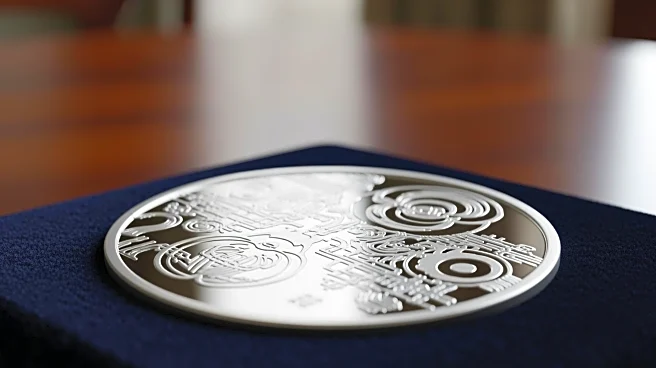
The Royal Australian Mint has released two collector coins to commemorate what would have been Queen Elizabeth II's 100th birthday. The coins, a $5 piece and a 50-cent silver coin, have sparked controversy due to their design. Critics argue that the portrait
of the late queen on the coins is unflattering and does not resemble her, with some comparing it to Robin Williams' character in Mrs. Doubtfire. Despite the criticism, the mint defends the design, stating that the etching process can distort details. The coins, which include symbolic elements such as a horse, corgi, and Australia's national flower, have seen strong demand, with the silver proof versions selling out quickly.
Why It's Important?
The release of these coins highlights the challenges faced by mints in balancing artistic representation with public expectations. The controversy underscores the sensitivity surrounding depictions of beloved public figures, especially in commemorative items. For collectors and royal enthusiasts, these coins represent a significant piece of memorabilia, reflecting both the queen's legacy and the public's varied perceptions of her image. The strong demand despite the criticism suggests a robust market for royal collectibles, indicating that the appeal of such items often transcends initial public opinion.
What's Next?
As the coins continue to sell, the Royal Australian Mint may consider feedback for future releases, potentially adjusting their design processes to better align with public expectations. The ongoing interest in royal memorabilia could lead to more commemorative releases, each with its own set of challenges and public reactions. Collectors will likely keep a close eye on the availability of these coins, as their limited run could increase their value over time.
Beyond the Headlines
The debate over the coin's design also touches on broader themes of how historical figures are remembered and represented in modern times. The use of symbols like the golden wattle and the queen's favorite flowers on the coins reflects an effort to encapsulate her legacy in a nuanced way. This incident may prompt discussions about the role of national mints in cultural preservation and the impact of public opinion on artistic expression.