

What's Happening?
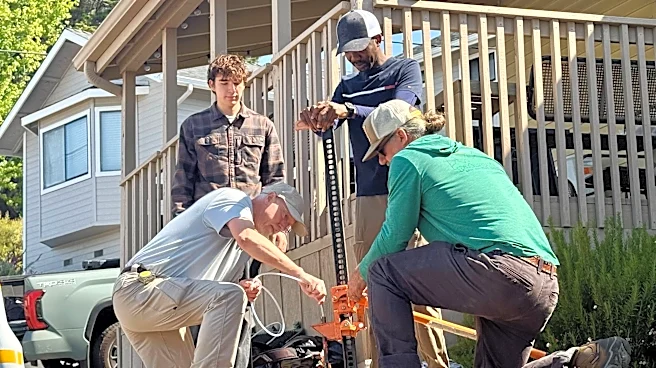
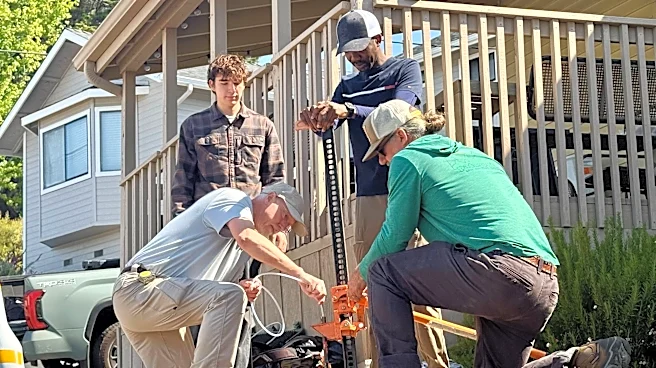
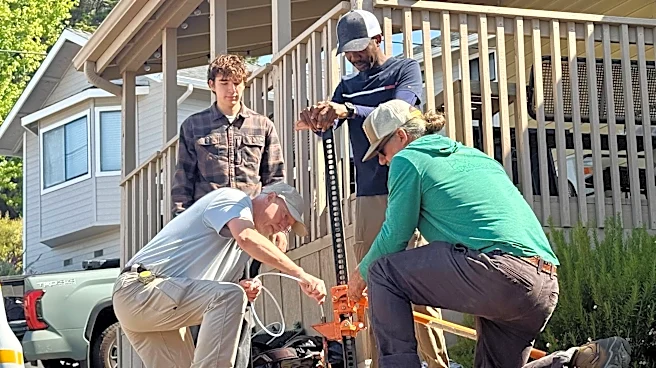
Investigators have concluded a search for Kristin Smart's body at the home of her convicted killer's mother in Arroyo Grande, California, without finding her remains. This search followed soil testing that indicated the presence of human remains. San
Luis Obispo County sheriff's deputies, along with soil scientists and ground radar experts, conducted the search at Susan Flores' home, suspecting that Paul Flores, who was convicted of Smart's murder, may have concealed her body there. Despite the positive soil tests, no remains were recovered. The sheriff's office remains committed to finding Smart and bringing closure to her family. Paul Flores was the last person seen with Smart in 1996, and he was sentenced to life in prison three years ago after a renewed investigation and trial.
Why It's Important?
The search for Kristin Smart's remains is significant as it represents ongoing efforts to resolve a decades-old case that has captured public attention. The inability to locate her body despite scientific evidence of human remains highlights the challenges in solving cold cases. This development impacts the Smart family, who continue to seek closure, and underscores the importance of advancements in forensic science in aiding criminal investigations. The case has also drawn attention to the role of media, such as the 'Your Own Backyard' podcast, in reviving interest and providing new leads in unsolved cases.
What's Next?
Investigators will evaluate the evidence collected during the recent search to determine any further steps. The sheriff's office has reiterated its commitment to finding Kristin Smart, suggesting that the investigation will continue. The case may prompt further searches or legal actions if new evidence emerges. The public and media interest in the case is likely to persist, potentially leading to additional scrutiny and pressure on law enforcement to resolve the case.
Beyond the Headlines
The Kristin Smart case highlights broader issues in the criminal justice system, such as the difficulties in prosecuting cases without a body and the reliance on circumstantial evidence. It also raises questions about the effectiveness of past investigations and the potential for new technologies to uncover evidence that was previously undetectable. The case serves as a reminder of the enduring impact of unsolved crimes on victims' families and communities.