








What's Happening?
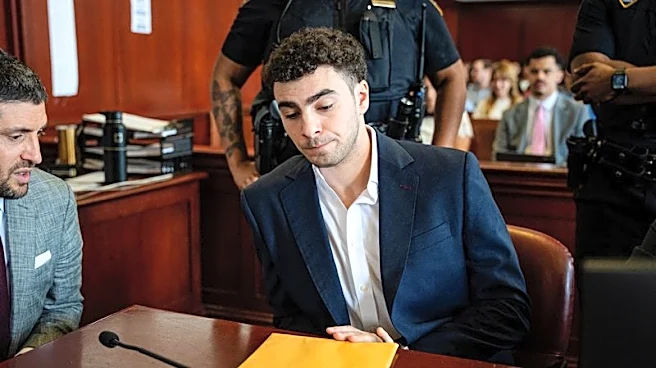
Guo Wengui, a self-exiled Chinese billionaire, has been sentenced to 30 years in a U.S. prison for orchestrating a massive financial fraud. Once among China's wealthiest individuals, Guo fled to the U.S. in 2017, where he became a vocal critic of the Chinese Communist
Party. The fraud, which spanned from 2018 to 2023, involved deceiving over 1,000 investors worldwide, resulting in hundreds of millions of dollars in losses. Guo was convicted on nine of 12 charges, with the court highlighting his lavish lifestyle funded by the fraudulent activities. The sentencing took place in a Manhattan courtroom, where victims shared their experiences of financial ruin and emotional distress.
Why It's Important?
The sentencing of Guo Wengui underscores the U.S. legal system's commitment to holding individuals accountable for financial crimes, regardless of their wealth or political connections. This case highlights the vulnerabilities in financial systems that can be exploited by individuals with significant resources and influence. The impact of Guo's fraud was widespread, affecting thousands of investors and causing significant financial and emotional harm. The case also draws attention to the complex interplay between international politics and financial crimes, as Guo's activities were intertwined with his political stance against the Chinese government.
What's Next?
Following the sentencing, Guo is expected to appeal the decision, potentially prolonging the legal proceedings. The case may also prompt further scrutiny of financial practices and regulatory measures to prevent similar frauds in the future. Additionally, the U.S. may face diplomatic challenges with China, given Guo's status as a critic of the Chinese Communist Party. The outcome of this case could influence future asylum and extradition policies, particularly concerning individuals with significant political and financial influence.