
What's Happening?
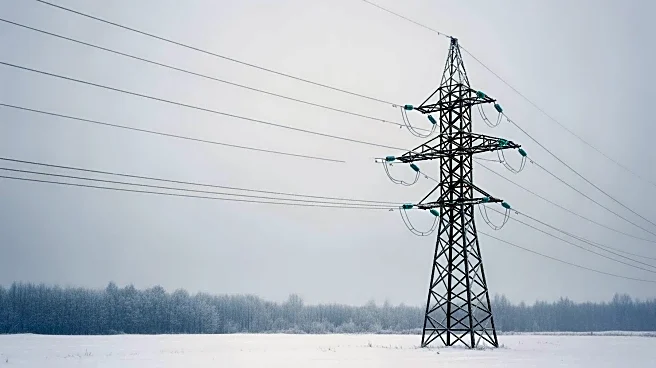
A severe cold snap has gripped the eastern United States, resulting in several dozen deaths and widespread power outages. The frigid temperatures follow a massive storm that brought snow and ice across
a large swath of the country, from Arkansas to New England. In Texas, three young siblings tragically died after falling through ice on a pond. The cold weather has also led to significant disruptions in air travel, with thousands of flights canceled. As temperatures continue to drop, states are bracing for further challenges, including potential record lows and additional winter storms.
Why It's Important?
The extreme weather conditions highlight the vulnerabilities in infrastructure and emergency preparedness across the affected regions. The fatalities and power outages underscore the need for improved response strategies to protect residents, particularly in areas unaccustomed to such severe cold. The situation also raises concerns about the resilience of the U.S. power grid and the ability of local governments to provide adequate shelter and resources to those in need. The economic impact is significant, with disruptions to travel and commerce, as well as increased demand for heating and emergency services.
What's Next?
As the cold weather persists, emergency services and utility companies are working to restore power and provide assistance to affected communities. State and local governments are likely to review and update their emergency response plans to better handle future extreme weather events. The National Weather Service has warned of continued cold and potential new storms, prompting ongoing vigilance and preparedness efforts. The situation may also prompt discussions on infrastructure investment and climate adaptation strategies to mitigate the impact of similar events in the future.