





What's Happening?
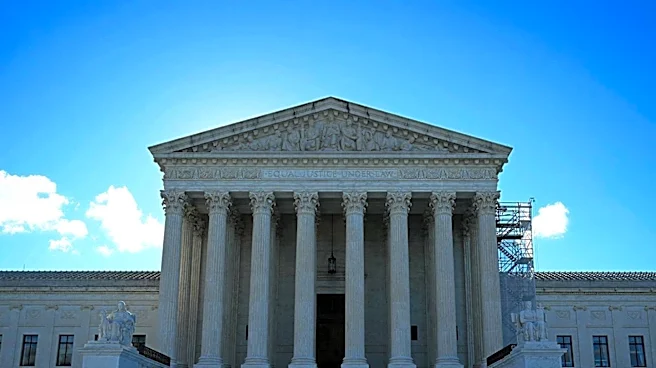
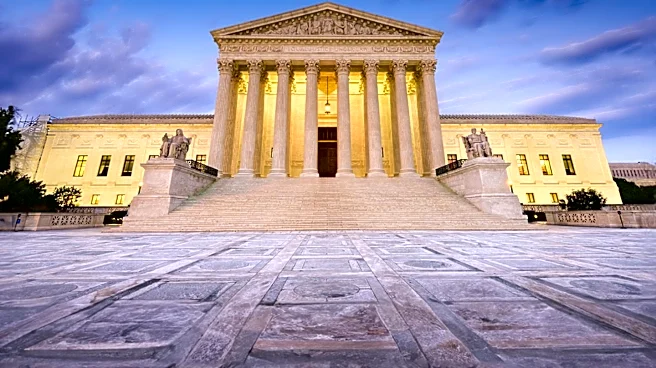
The U.S. Supreme Court, in a 6-2 decision in *Monsanto v. Durnell*, has ruled that federal pesticide law expressly preempts state tort failure-to-warn claims when the Environmental Protection Agency (EPA) has registered a pesticide without requiring a specific
warning. Authored by Justice Brett Kavanaugh, the majority opinion stated that a state-imposed duty for a cancer warning constitutes a state requirement for labeling that is 'in addition to or different from' the requirements of the Federal Insecticide, Fungicide, and Rodenticide Act (FIFRA). The case originated from John Durnell's lawsuit against Monsanto, alleging that chronic use of Roundup caused his non-Hodgkin's lymphoma and that a cancer warning should have been included on the label. The EPA had registered Roundup without such a warning and has consistently determined that glyphosate is not likely to cause cancer. Justice Ketanji Brown Jackson, joined by Justice Neil Gorsuch, dissented, arguing that FIFRA's misbranding prohibition, which mandates warnings adequate for health and environmental protection, is a parallel requirement to state tort duties, and such parallel requirements should not be preempted. She highlighted that EPA regulations address acute hazards but lack specific requirements for chronic risks like cancer, suggesting state tort duties fill this regulatory gap.
Why It's Important?
This Supreme Court ruling significantly alters the landscape for pesticide liability claims across the United States, potentially limiting the ability of individuals to sue pesticide manufacturers for failure-to-warn claims at the state level. The decision reinforces the authority of federal regulatory bodies like the EPA in determining labeling requirements for pesticides, potentially reducing the legal exposure of companies like Monsanto to state-level lawsuits. For consumers, this could mean a diminished avenue for recourse if they believe a pesticide caused harm due to inadequate warnings, as federal approval of a label would largely shield manufacturers. The ruling also has broader implications beyond pesticides, as the Court noted that similar labeling preemption provisions exist in laws covering meat, eggs, poultry, cosmetics, nonprescription drugs, and nutrition labeling. This suggests a potential shift in how Congress might approach labeling disputes across various regulatory regimes, potentially favoring federal standards over state-specific requirements. Justice Clarence Thomas's concurrence, raising constitutional questions about administrative action preempting state law and the scope of Congress's Commerce Clause authority, further underscores the far-reaching legal and political implications of this decision.
What's Next?
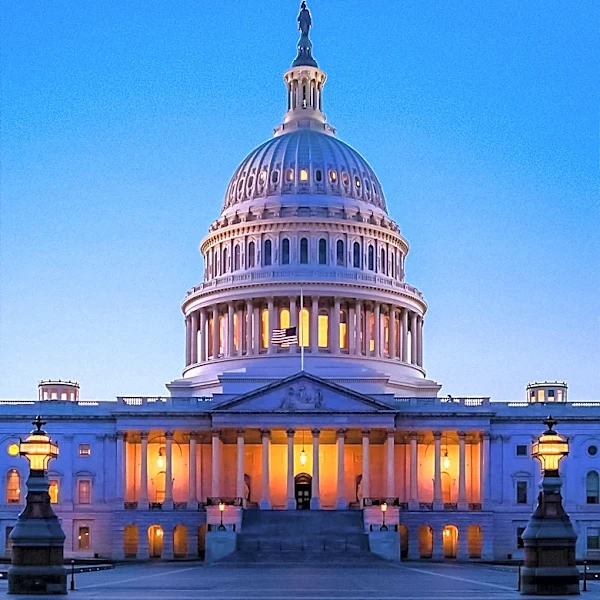
In response to the Supreme Court's decision, legislative efforts are already underway to address its implications. H.R. 9528 proposes an amendment to FIFRA's express preemption provision, aiming to clarify that it should not be interpreted to prohibit or limit state law tort claims related to pesticide labeling or packaging. This bill seeks to restore or preserve the ability of states to pursue such claims, potentially counteracting the Supreme Court's ruling. Additionally, S. 2324 offers an alternative approach by proposing the creation of a federal cause of action, similar to state failure-to-warn torts, specifically concerning pesticide labeling and packaging. This proposal would establish a federal mechanism for such claims without altering FIFRA's preemptive scope. The existence of these legislative proposals indicates that the debate over federal preemption in product liability, particularly for pesticides, is far from settled. Stakeholders, including agricultural groups, environmental advocates, and consumer protection organizations, are likely to intensify their lobbying efforts as these bills move through Congress, aiming to shape the future legal framework for pesticide regulation and liability.
Beyond the Headlines
The Supreme Court's decision in *Monsanto v. Durnell* delves into the complex interplay between federal and state authority, particularly concerning public health and safety regulations. The dissent by Justice Ketanji Brown Jackson highlights a critical ethical dimension: whether federal regulations, even when comprehensive, adequately address all potential risks, especially chronic ones like cancer, which may not be fully understood or regulated at the time of product approval. Her argument that state tort duties can fill gaps in federal oversight raises questions about the balance between regulatory uniformity and the ability of states to protect their citizens from evolving health threats. This ruling could also influence the broader legal strategy for industries facing product liability claims, encouraging them to seek federal regulatory approval as a shield against state lawsuits. Conversely, it may galvanize consumer advocacy groups and state legislatures to push for more stringent federal regulations or to find alternative legal avenues to hold manufacturers accountable. The long-term shift could be towards a more centralized regulatory environment, potentially diminishing the role of state common law in addressing product-related harms, thereby shifting the burden of proof and the locus of legal battles to the federal sphere.