





What's Happening?
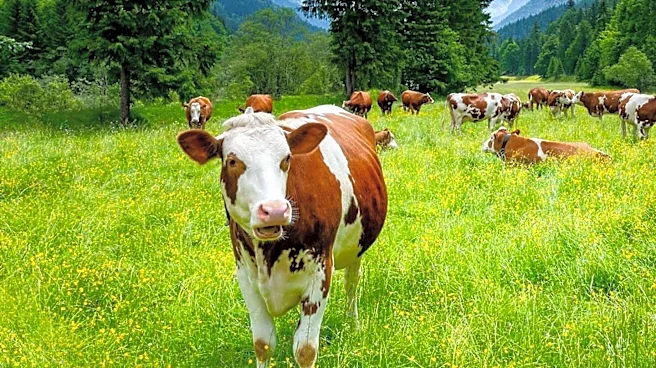
Conservationists are preparing to sue the U.S. Forest Service to halt cattle grazing in the Gros Ventre Range of Wyoming, citing concerns over potential conflicts between cattle and grizzly bears. The lawsuit, filed under the Endangered Species Act, aims
to prevent grazing on approximately 35,000 acres in the Elk Ridge Complex, a prime habitat for grizzlies. The Forest Service had authorized temporary grazing for 2026 and 2027, arguing it was necessary due to wildfires affecting adjacent grazing areas. However, ecologist John Carter and other environmental groups argue that this decision could lead to increased bear-cattle conflicts, resulting in the killing of grizzlies by wildlife agencies. The Upper Green River Cattlemen’s Association, however, believes the concerns are overstated, citing a longstanding coexistence between cattle and bears in the area.
Why It's Important?
The lawsuit highlights the ongoing tension between agricultural practices and wildlife conservation in the U.S. The outcome could set a precedent for how federal agencies balance livestock grazing with the protection of endangered species. If successful, the lawsuit could lead to stricter regulations on grazing in sensitive habitats, potentially impacting ranchers economically. Conversely, if the Forest Service's decision is upheld, it may encourage similar grazing authorizations in other regions, potentially increasing conflicts with wildlife. The case underscores the broader debate over land use and conservation priorities in the face of environmental and economic pressures.
What's Next?
The legal proceedings will likely involve detailed assessments of the environmental impact of grazing in the Elk Ridge Complex. Both sides may present evidence on the ecological and economic implications of the grazing authorization. The Forest Service may need to justify its decision-making process and demonstrate compliance with environmental laws. The case could attract attention from environmentalists, ranchers, and policymakers, potentially influencing future land management policies. The outcome may also prompt discussions on alternative solutions to mitigate human-wildlife conflicts in grazing areas.