






What's Happening?
A recent United Nations report has highlighted ongoing global food security challenges exacerbated by conflicts and disruptions in energy markets. The report indicates that while global hunger has slightly decreased, over 500 million people could still
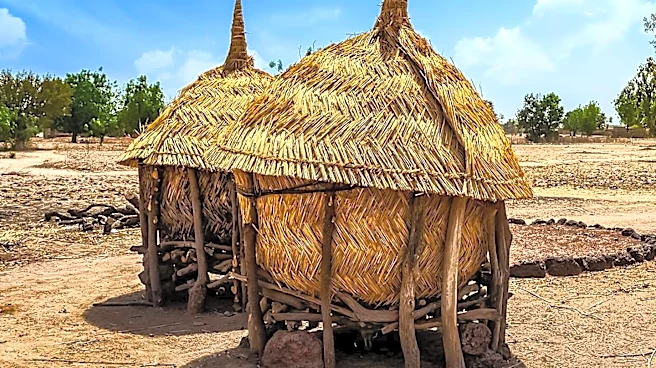
face chronic hunger by 2030. Africa is expected to bear the largest share of this burden, having overtaken Asia as the region with the highest number of hungry people. The report attributes this shift to rapid population growth and slower economic gains in Africa. Additionally, the recent heatwave in Europe has caused significant revenue losses for grain farmers, further threatening food security and potentially increasing global commodity prices.
Why It's Important?
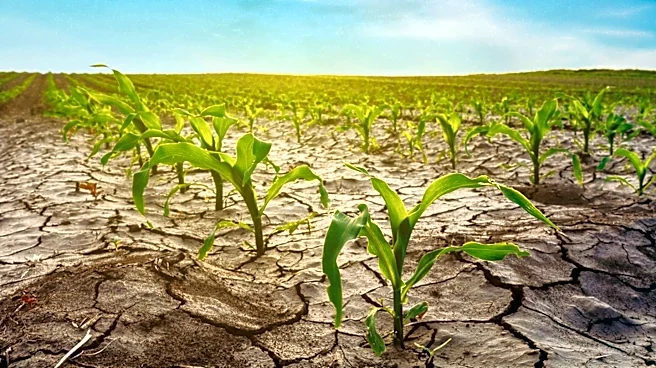
The findings of the UN report underscore the fragility of global progress against hunger and the need for urgent action to strengthen agrifood systems. The ongoing conflicts, such as the war in Ukraine, and disruptions in global energy markets are driving up fuel, fertilizer, and food costs, which could push millions into hunger. This situation poses a significant challenge for small-scale farmers who rely on diesel fuel for agricultural activities. The report calls for increased investments in climate-adaptation programs to help rural communities withstand extreme weather conditions, which are becoming more frequent due to climate change.
What's Next?
The report suggests that governments should focus on building more resilient food systems and invest in infrastructure, development, research, irrigation, and cold chains to reduce the costs of a healthy diet. It also emphasizes the need for political commitment, sustained investment, and enabling policies to end hunger and make healthy diets affordable. The international community is urged to support small farmers who produce much of the world's food supply, as their resilience is crucial in addressing global food security challenges.