







What's Happening?
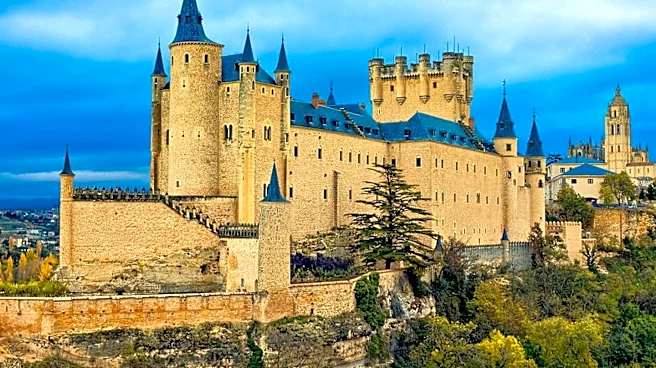
UNESCO's World Heritage Committee has added the archaeological site of Sebastia in the northern West Bank and five fortresses in southern Lebanon to the World Heritage List and the List of World Heritage in Danger. The decision, made during a session
in Busan, South Korea, was based on threats linked to ongoing Middle Eastern conflicts. Palestinian officials welcomed the recognition, citing neglect and insufficient conservation under Israeli control. Israel opposed the move, accusing the Palestinian delegation of politicizing cultural heritage and attempting to erase Jewish and Christian history. The site of Sebastia, identified with ancient Samaria, contains remains from various historical periods and is believed to house the tomb of John the Baptist.
Why It's Important?
The inclusion of Sebastia and Beaufort Castle on the endangered list highlights the ongoing cultural and political tensions in the region. For Palestinians, the recognition is seen as a victory in preserving their cultural heritage, while Israel views it as a political maneuver. This decision could impact diplomatic relations and influence future UNESCO deliberations. The move underscores the complex interplay between cultural preservation and political agendas, potentially affecting international support and funding for heritage conservation in contested areas.