







What's Happening?
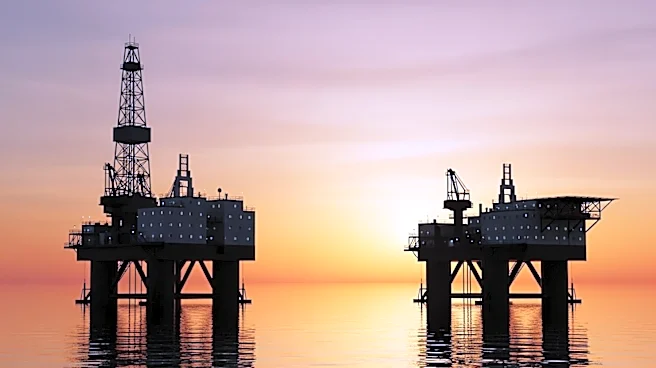
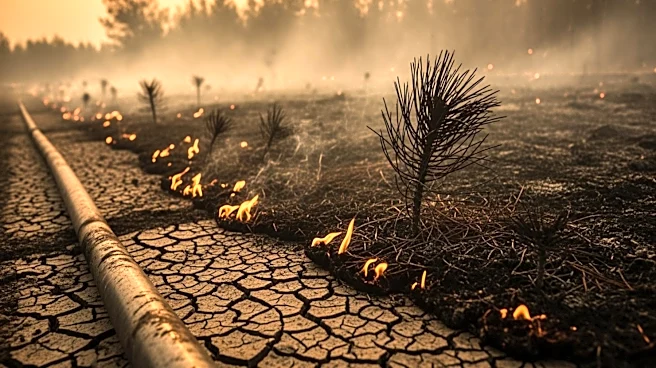
Wildfire season has returned to Canada's oil sands region, posing risks to communities, workers, companies, and investors. As of Sunday, seven active blazes were reported in the Fort McMurray and Lac La Biche areas of northern Alberta, with some fires
located within 20 kilometers of major oil sands sites such as Cenovus Energy's Christina Lake and Canadian Natural Resources' Jackfish. Although no significant disruptions to Canadian oil company operations have occurred this year, the risk remains high due to warm, dry conditions. Fire officials have labeled the risk of new fires starting as 'extreme' in the Fort McMurray area. Last year, wildfires forced Canadian oil companies to temporarily shut down production, impacting 7% of the country's overall crude oil output. The most severe incident occurred in 2016, when a massive wildfire led to the evacuation of thousands of oil sands workers and a reduction in oil output by a million barrels per day.
Why It's Important?
The recurring threat of wildfires in Canada's oil sands region introduces uncertainty to production forecasts, affecting both the local economy and global oil markets. Canada is the world's fourth-largest oil producer, and disruptions in its oil sands production can have significant implications for energy supply and prices. The increased frequency and intensity of wildfires, attributed to climate change, highlight the vulnerability of critical infrastructure and the need for adaptive strategies in the energy sector. Companies operating in the region must balance production goals with safety measures and environmental considerations, potentially leading to increased operational costs and investment in fire prevention technologies.
What's Next?
Firefighters are expected to benefit from a forecast of heavy rain, which could aid in controlling the current blazes. However, the ongoing risk of new fires due to extreme conditions necessitates continuous monitoring and preparedness from both local authorities and oil companies. Companies may need to reassess their emergency response plans and invest in more robust fire prevention and mitigation strategies. The situation also calls for broader discussions on climate change adaptation and resilience in the energy sector, potentially influencing policy decisions and investment priorities.
Beyond the Headlines
The impact of wildfires on Canada's oil sands region extends beyond immediate production disruptions. It raises ethical and environmental questions about the sustainability of oil sands operations in a changing climate. The increased fire risk may prompt a reevaluation of land use practices and conservation efforts in boreal forests, which are crucial for carbon sequestration. Additionally, the situation underscores the importance of integrating climate risk assessments into business strategies, potentially influencing investor decisions and corporate governance in the energy industry.