





What's Happening?
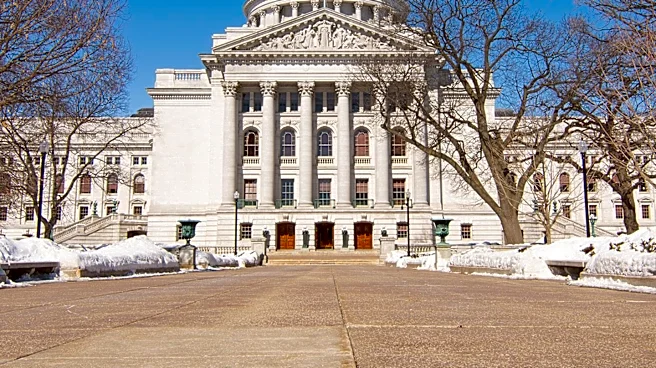
Wisconsin and Vermont are actively exploring the deployment of small modular reactors (SMRs) at former nuclear power plant sites. In Wisconsin, Dairyland Power Cooperative and Applied Atomics have signed a letter of intent to assess the feasibility of deploying
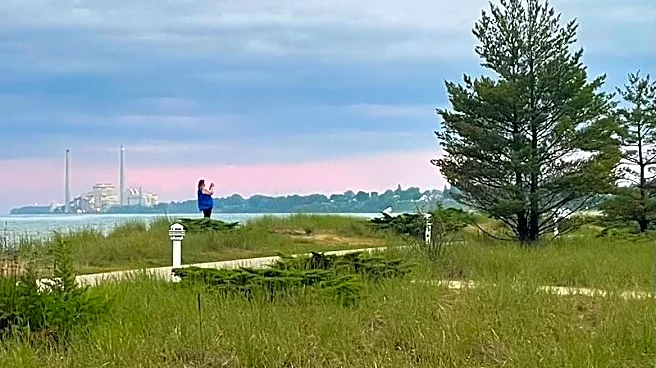
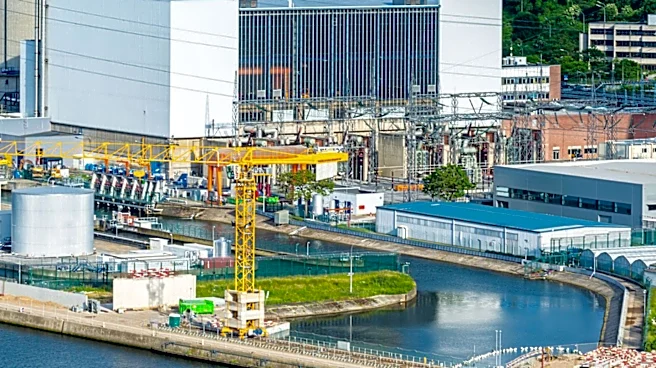
SMRs at Dairyland’s former La Crosse nuclear power plant site in Genoa. The BWX Technology’s mPower pressurized water reactor is a frontrunner for this site, with each unit capable of producing 100 MWe. This initiative aims to bring clean, affordable nuclear power to the region by the early 2030s. In Vermont, Kerrick Johnson, the commissioner of the Vermont Department of Public Service, discussed new nuclear opportunities, specifically SMRs, for the site of the former Vermont Yankee nuclear power plant in Vernon. Johnson highlighted the site's existing transmission infrastructure, river access, and railroad as attractive features for SMR deployment, noting a growing demand for clean, scalable, and affordable power in New England.
Why It's Important?
The exploration of SMR deployment at former nuclear sites in Wisconsin and Vermont is a significant development for the U.S. energy landscape. These sites offer existing infrastructure, such as transmission lines and cooling water access, which can substantially reduce the cost and timeline for new nuclear projects. SMRs are seen as a crucial component in achieving clean energy goals, providing reliable, carbon-free baseload power that can complement intermittent renewable sources. For regions like New England, facing a 'hunger for electrons,' SMRs could address energy security, affordability, and climate change concerns. The potential revival of these sites with advanced nuclear technology signifies a strategic shift towards modernizing the nuclear fleet and leveraging past investments in nuclear infrastructure. This could also stimulate economic growth and create jobs in areas with a history of nuclear operations.
What's Next?
In Wisconsin, Dairyland Power Cooperative and Applied Atomics will proceed with evaluating Applied Atomics’ SMR technology and the number of SMRs the Genoa site can support. They will also explore a potential power purchase agreement. In Vermont, while Commissioner Johnson expressed optimism, he cautioned that SMR projects would take seven to eight years if started today, and that the market for these technologies needs to 'shake out' before definitive commitments. He also emphasized that any new nuclear opportunity in Vermont would require the support of the Vernon community. Both states will need to navigate regulatory processes, secure financing, and address public engagement to move these projects forward. The success of these feasibility studies and community discussions will determine the timeline and ultimate realization of SMR deployment at these former nuclear sites.
Beyond the Headlines
The re-evaluation of former nuclear sites for SMR deployment reflects a broader national trend towards revitalizing existing industrial infrastructure for new energy technologies. This approach minimizes environmental impact by utilizing previously disturbed land and existing grid connections, making it a more sustainable option than developing greenfield sites. However, it also brings challenges related to public perception, as communities that previously hosted nuclear plants may have lingering concerns or strong opinions. The success of these projects will depend not only on technological and economic viability but also on effective community engagement and transparent communication about safety and benefits. Furthermore, the development and deployment of SMRs could foster a new generation of nuclear expertise and manufacturing capabilities in the U.S., strengthening the domestic nuclear industry and its global competitiveness. This could lead to a more diversified and resilient national energy portfolio, less susceptible to geopolitical and market fluctuations.