





What's Happening?
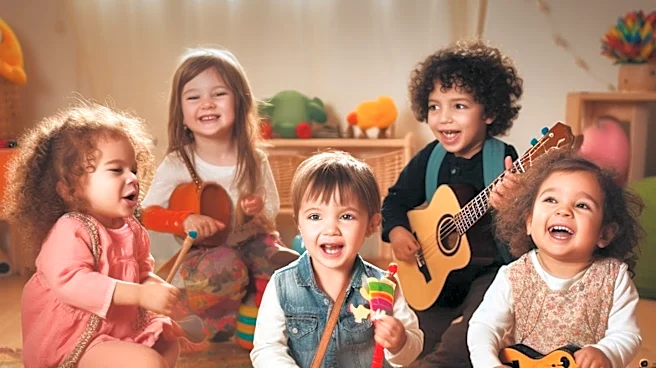
The Salvation Army's Kroc Center in Norfolk, Virginia, has initiated the Heartstrings and Valves After School Program. This program aims to offer an affordable solution for children in the community, providing nutritious meals, homework assistance, and music
instrument lessons. Josie Showers, Director at the Salvation Army Kroc Center, highlighted the significant community need for such services, particularly for children to have a safe and enriching environment after school hours. The program, made possible through federal funding and community partnerships, is open to children in first through sixth grade, with late registration options currently available. It is designed to bridge gaps in support for local children and families, addressing the challenges many face in securing nutritious meals and after-school care.
Why It's Important?
This initiative is important for addressing critical social needs within the Norfolk community, particularly concerning child welfare and educational support. By providing nutritious meals, the program directly combats food insecurity, which can have long-term health and academic consequences for children. The inclusion of homework help offers academic reinforcement, potentially improving educational outcomes and reducing achievement gaps. Furthermore, music education provides a creative outlet and can foster cognitive development and discipline. The program's affordability makes it accessible to a wider range of families, including those who may not be in dire financial need but still struggle with the costs of after-school care and meals. This comprehensive approach supports the holistic development of children, contributing to a more stable and enriched community.
What's Next?
The Salvation Army Kroc Center will continue to enroll children in the Heartstrings and Valves After School Program, with late registration options still available for interested families. The program's ongoing success will likely depend on continued federal funding and community partnerships, which are crucial for maintaining its affordability and scope. As the program progresses, its impact on the academic performance, nutritional well-being, and social development of participating children will be observed. The model could potentially serve as a blueprint for similar initiatives in other communities facing comparable needs, demonstrating the effectiveness of integrated after-school support systems. Community engagement and feedback will be vital for adapting and expanding the program to meet evolving needs.
Beyond the Headlines
The Heartstrings and Valves After School Program touches upon broader societal issues beyond immediate child care. It underscores the persistent challenge of food insecurity and the need for accessible educational support systems in many U.S. communities. The program's reliance on federal funding highlights the role of government in supporting local community initiatives that address social welfare. Moreover, the integration of music education speaks to the value placed on arts in child development, often an area that faces budget cuts in traditional schooling. This initiative reflects a growing understanding that comprehensive support for children, encompassing nutrition, academics, and creative development, is essential for fostering resilient communities and future generations. It also emphasizes the critical role of community centers like the Kroc Center in serving as hubs for vital social services.