







What's Happening?
The ship recycling industry is currently facing challenges due to geopolitical risks and currency volatility, which have overtaken supply-demand fundamentals as the primary price drivers in energy markets. According to cash buyer GMS, the fluctuating
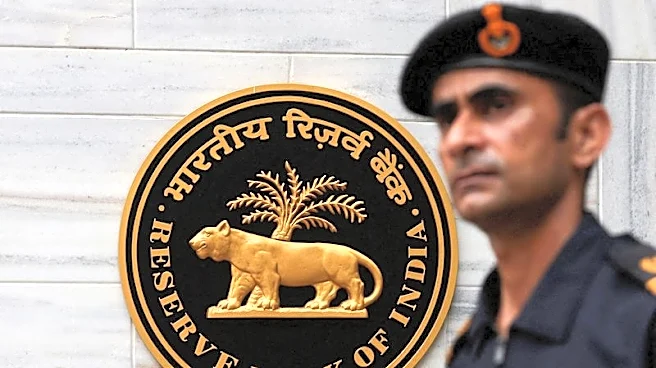
U.S. dollar and high oil prices are affecting the market, with aging vessels continuing to trade and making confident bidding difficult. India experienced a notable currency development as the rupee rebounded sharply following intervention measures by the Reserve Bank of India. Meanwhile, Pakistan and Bangladesh saw marginal currency movements, and the Turkish lira weakened further, impacting Aliağa's competitiveness for international tonnage. These mixed signals are clouding price discovery, leaving buyers and sellers struggling to anchor positions and keeping market activity subdued. Bangladesh remains a positive standout, with Chattogram recyclers actively seeking tonnage, while India and Pakistan operate cautiously due to limited supply and uncertainty in steel fundamentals.
Why It's Important?
The current situation in the ship recycling industry highlights the significant impact of geopolitical risks and currency fluctuations on global markets. The volatility in currency values, particularly the U.S. dollar, affects international trade and pricing strategies, making it challenging for stakeholders to make informed decisions. The ongoing uncertainty in steel fundamentals further complicates the market, potentially affecting the supply chain and pricing structures. As Bangladesh continues to seek tonnage actively, it may gain a competitive edge over other regions, influencing the dynamics of the ship recycling industry. The intervention by the Reserve Bank of India to stabilize the rupee demonstrates the critical role of monetary policy in managing economic challenges, which could have broader implications for international trade and economic stability.
What's Next?
The ship recycling industry is likely to continue facing challenges as geopolitical risks and currency volatility persist. Stakeholders may need to adopt more flexible strategies to navigate the uncertain market conditions. The intervention measures by the Reserve Bank of India could serve as a model for other countries facing similar currency challenges. As Bangladesh maintains its active pursuit of tonnage, other regions may need to reassess their strategies to remain competitive. The industry will be closely monitoring currency movements and geopolitical developments to anticipate future trends and adjust their operations accordingly.
Beyond the Headlines
The ship recycling industry's current challenges underscore the interconnectedness of global markets and the influence of geopolitical factors on economic activities. The volatility in currency values highlights the importance of robust financial systems and effective monetary policies in managing economic risks. The situation also raises questions about the sustainability of current practices in the ship recycling industry and the need for innovation to address these challenges. As stakeholders navigate these complexities, there may be opportunities for collaboration and the development of new strategies to enhance resilience and competitiveness in the industry.