









What's Happening?
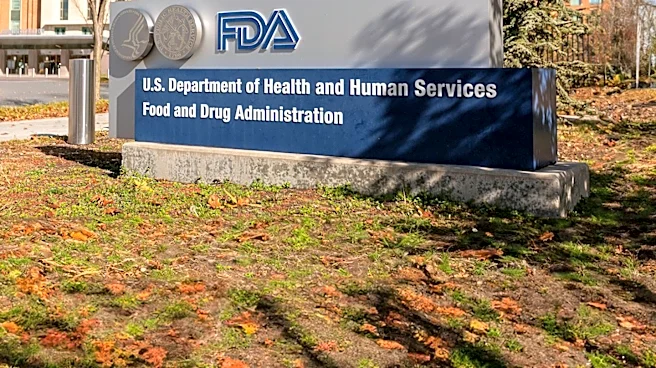
Consumer Reports has formally requested that Donald Prater, the FDA's deputy commissioner, address concerns regarding the agency's handling of a significant Cyclospora outbreak that occurred this summer. The outbreak, linked to iceberg lettuce from Taylor
Farms de Mexico, resulted in nearly 13,000 illnesses, 560 hospitalizations, and two fatalities. Consumer Reports cited "critical vulnerabilities" in the U.S. food safety oversight, highlighting notable delays and a lack of transparency in the FDA's response. Specifically, the organization pointed out that FDA investigators took almost a month to conduct environmental sampling and on-site inspections in Mexico, despite initial evidence pointing to the source. Additionally, the recall classification was delayed for over a month, leading to public confusion and financial losses for U.S. fresh produce growers. The group has requested a response from Prater by November 6, seeking clarification on several key issues, including the reasons for deployment delays and the FDA's ability to conduct foreign inspections.
Why It's Important?
This demand from Consumer Reports underscores significant public health and food safety concerns within the U.S. The Cyclospora outbreak exposed potential systemic inefficiencies and communication breakdowns within the FDA, an agency crucial for safeguarding the nation's food supply. The delay in identifying the source and issuing a timely recall not only put consumers at risk but also caused economic repercussions for the agricultural sector due to widespread confusion and unnecessary food waste. The incident highlights the challenges in tracing contaminated food products, especially those sourced internationally. The call for accountability from a prominent consumer advocacy group emphasizes the need for robust regulatory oversight and transparent communication from federal agencies to maintain public trust and prevent future outbreaks. The effectiveness of the FDA's response directly impacts consumer confidence in food safety and the economic stability of food producers.
What's Next?
Consumer Reports expects a detailed response from Donald Prater by November 6, addressing the specific questions raised about the FDA's delayed actions, inspection protocols, and communication strategies during the Cyclospora outbreak. This inquiry could lead to internal reviews within the FDA regarding its foodborne illness outbreak response, compliance, and enforcement efforts. There may be renewed pressure on Congress to revisit and strengthen food safety regulations, particularly concerning the implementation of the Food Safety Modernization Act's traceability rule, which was delayed until July 2028. Depending on the FDA's response and any subsequent actions, there could be calls for legislative changes to ensure faster and more effective responses to future food safety crises, potentially impacting import policies and inspection requirements for foreign food facilities. Stakeholders, including consumer groups and the food industry, will be closely watching for reforms aimed at improving food safety and transparency.
Beyond the Headlines
The Cyclospora outbreak and the subsequent criticism from Consumer Reports reveal deeper issues concerning the balance between regulatory enforcement and industry lobbying. The delay in implementing the Food Safety Modernization Act's traceability rule, reportedly influenced by a trade group, suggests that economic considerations can sometimes supersede public health priorities. This situation raises ethical questions about the responsibility of both government agencies and industry in ensuring food safety. The incident also highlights the complexities of global food supply chains, where the origin and movement of produce can make rapid tracing of contamination challenging. The long-term implications could include a push for more stringent international food safety agreements, increased investment in food traceability technologies, and a re-evaluation of how regulatory bodies communicate risks to the public. Ultimately, this event could catalyze a broader societal discussion on food system resilience and the imperative of prioritizing public health over short-term economic interests.