
What's Happening?
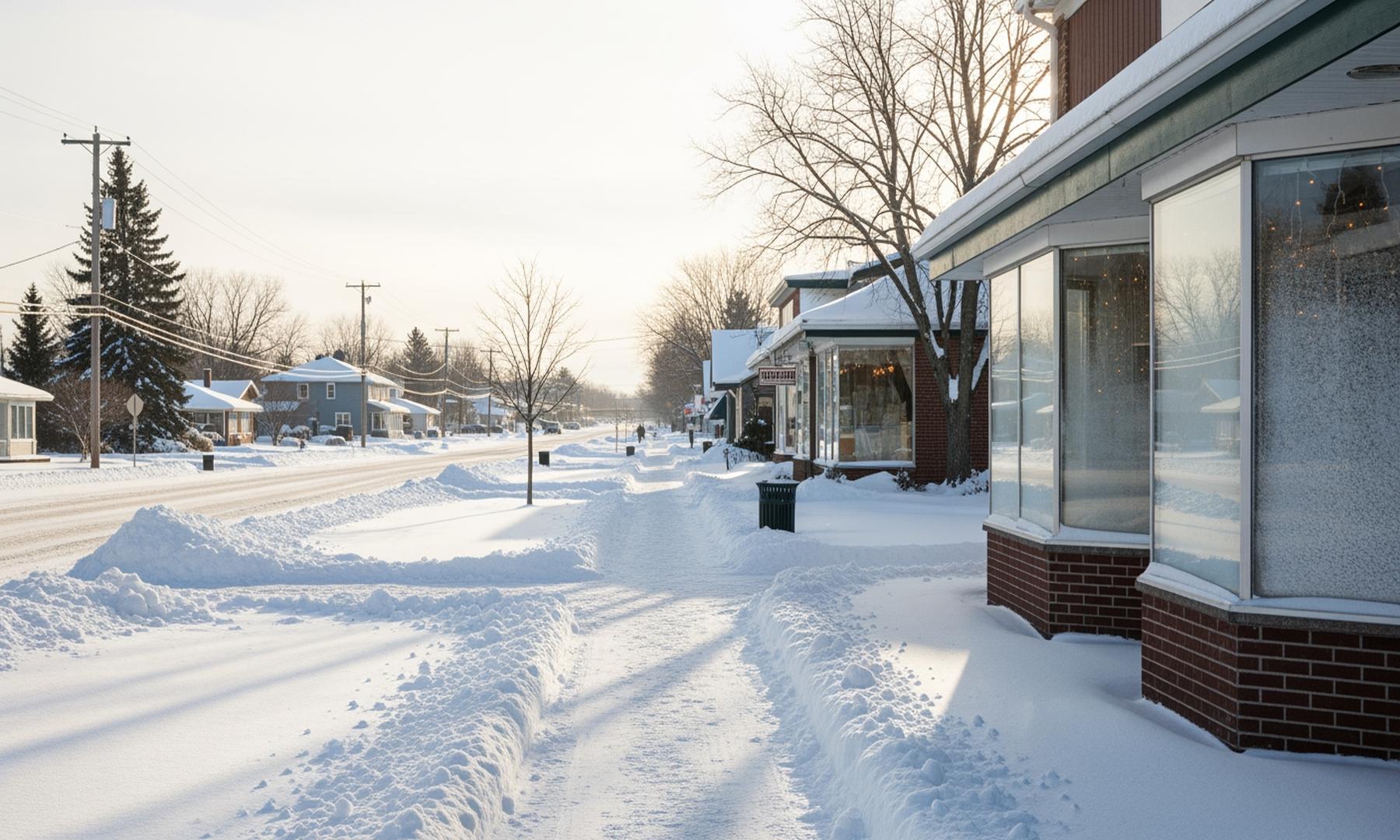
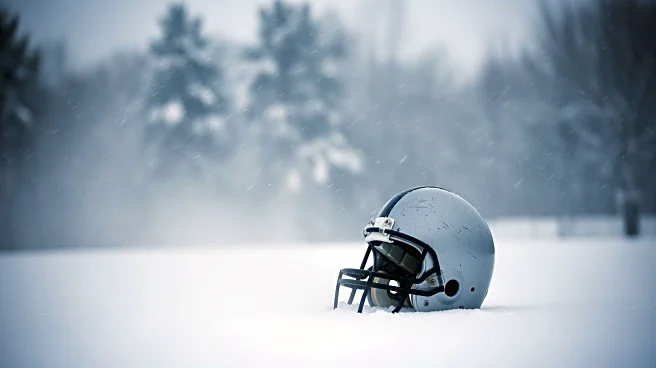
A tragic incident occurred in Newport, Rhode Island, where Joseph Boutros, a 21-year-old football player from Salve Regina University, died from carbon monoxide poisoning. Boutros was found unresponsive in his car during a historic blizzard that hit the
area, resulting in a record 34 inches of snow. The snow had blocked the tailpipe of his vehicle while he was charging his cell phone, leading to the accumulation of carbon monoxide inside the car. Despite being rushed to Newport Hospital, Boutros was pronounced dead on Monday night. The university and local police have expressed their condolences, highlighting the importance of keeping exhaust pipes clear of snow and debris to prevent such accidents.
Why It's Important?
This incident underscores the dangers associated with severe winter weather conditions, particularly the risk of carbon monoxide poisoning when vehicles are left running in snow-covered areas. It serves as a critical reminder for individuals to ensure that their vehicle's exhaust systems are unobstructed to prevent the buildup of toxic gases. The death of Joseph Boutros not only impacts his family and the Salve Regina community but also raises awareness about safety precautions during extreme weather events. This tragedy could prompt increased public safety campaigns and educational efforts to prevent similar occurrences in the future.
What's Next?
In response to this incident, local authorities and community leaders may initiate campaigns to educate the public on the dangers of carbon monoxide poisoning, especially during winter storms. Salve Regina University is likely to hold memorial services to honor Boutros and support his teammates and family. Additionally, this event may lead to discussions on improving emergency response protocols and public safety measures during severe weather conditions.
Beyond the Headlines
The death of Joseph Boutros highlights broader issues related to climate change and the increasing frequency of extreme weather events. As blizzards and other severe weather conditions become more common, communities must adapt by enhancing infrastructure and public safety measures. This incident also raises questions about the preparedness of individuals and communities to handle unexpected emergencies, emphasizing the need for comprehensive education on safety practices during such events.