








What's Happening?
A new Rutgers-Eagleton Poll, commissioned by the New Jersey Civic Information Consortium, reveals that over four in ten New Jerseyans believe their communities lack sufficient local news sources. Specifically, 42% of residents feel there aren't enough
outlets, while 40% think the number is adequate, and only 5% believe there are too many. This perception of a shortage is more prevalent among Democrats (49%), women (47%), and residents aged 65 and older (50%). Furthermore, 36% of New Jerseyans reported difficulty finding local information they sought in the past year. The most challenging topics to find information on were property taxes and municipal spending (39%), followed by housing, zoning, and development (33%), and local businesses and events (31%). The poll surveyed 1,004 New Jersey adults from September 24-27, with a margin of error of plus or minus 4.1 percentage points.
Why It's Important?
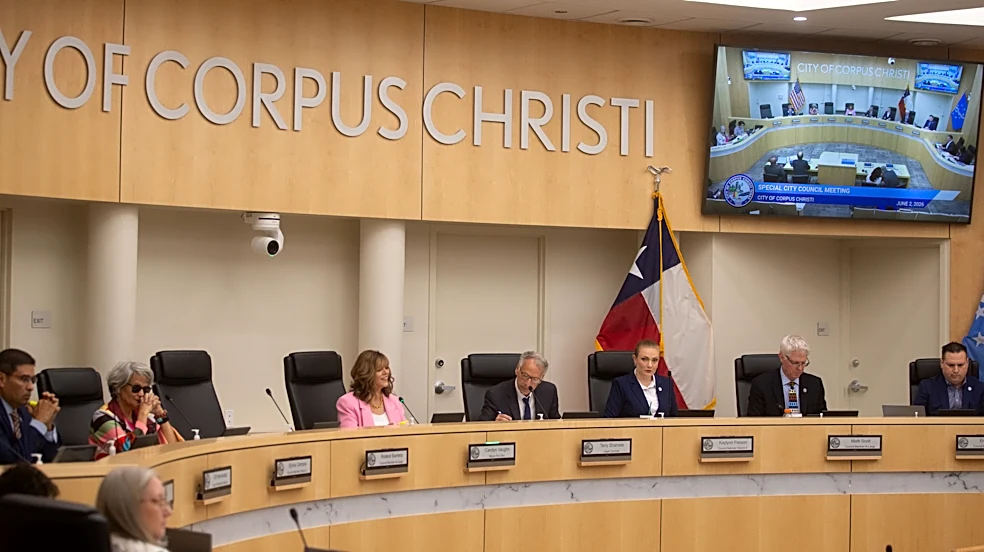
The findings highlight a significant gap in local information access and provision across New Jersey, impacting civic engagement and informed decision-making. The struggle to find information on critical local issues like property taxes and municipal spending directly affects residents' ability to understand and influence local governance. This deficit in local news coverage can lead to less informed communities, potentially reducing accountability for local officials and hindering public participation in local government processes. The disparity in perceived news shortages and information access across demographic groups, such as age and political affiliation, suggests that certain segments of the population may be more disenfranchised from local civic life. The poll also underscores the continued importance of local journalism, with 46% of residents reading news coverage of public meetings compared to only 18% attending or watching them directly, indicating that news outlets remain a primary conduit for local government oversight.
What's Next?
The results of this poll are likely to fuel discussions among policymakers, community leaders, and media organizations in New Jersey regarding the future of local journalism and access to civic information. The New Jersey Civic Information Consortium, which commissioned the poll, may use these findings to advocate for increased support for local news initiatives or to develop strategies to bridge the information gap. There could be calls for greater transparency from local governments to make information more accessible, especially on topics like property taxes and municipal spending. Media organizations might also re-evaluate their coverage strategies to better address the identified information needs of residents. The data suggests that initiatives aimed at improving access to information about government meetings and decisions could significantly increase local government participation, as 60% of respondents indicated this would make them more likely to engage.
Beyond the Headlines
Beyond the immediate implications for local news, this poll points to broader societal challenges related to information access and civic health in a digital age. The decline of traditional local news outlets has created 'news deserts' in many communities, and this survey quantifies the impact of such trends in New Jersey. The struggle to find information on local issues can erode trust in local institutions and contribute to a sense of disengagement among citizens. The differing priorities for information among demographic groups—Republicans prioritizing tax information, Democrats prioritizing public health, and Black residents prioritizing election information—underscore the need for diverse and comprehensive local news coverage that caters to varied community interests. This situation also raises questions about the role of public funding and philanthropic efforts in sustaining local journalism as a vital component of democratic society.