







What's Happening?
Chicago Mayor Brandon Johnson is actively pursuing new revenue streams for the city as discussions continue about the potential relocation of the Chicago Bears to Arlington Heights. During a news conference, Johnson outlined his plan to visit Springfield
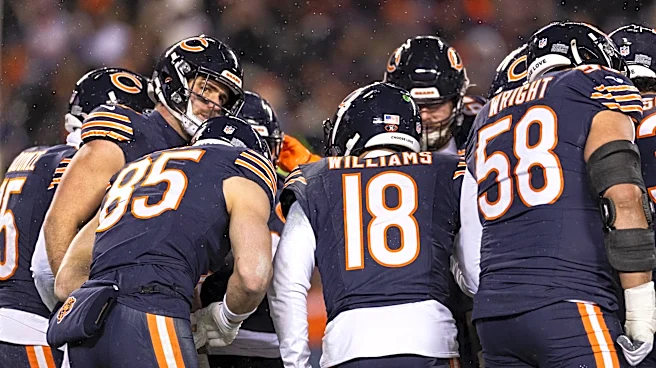
to advocate for reversing cuts to the Local Government Distributive Fund, implementing a digital advertising tax, and expanding the city's home rule authority to levy taxes. This visit marks his third trip to Springfield as mayor, coinciding with the final stretch of the General Assembly's spring session. Johnson emphasized the need for progressive revenue solutions to alleviate the financial burden on working families. The proposed digital ad tax would apply statewide, targeting companies with over $100 million in global revenue. Johnson's efforts come as the Bears move closer to securing a megaprojects bill for a new stadium, which could end hopes of keeping the team at Soldier Field.
Why It's Important?
The outcome of Mayor Johnson's revenue initiatives could significantly impact Chicago's financial landscape and its ability to fund essential services without overburdening residents. The proposed digital ad tax, if implemented, could set a precedent for other states considering similar measures, although it may face legal challenges similar to those seen in Maryland. Additionally, the potential relocation of the Chicago Bears could have economic implications for the city, affecting local businesses and tourism. Johnson's push for progressive revenue solutions highlights the ongoing debate between corporate interests and the need for equitable financial policies that support community welfare.
What's Next?
As Mayor Johnson continues to advocate for his revenue proposals, the response from state lawmakers will be crucial in determining their viability. The digital ad tax, in particular, may face opposition from tech companies and legal challenges. Meanwhile, the decision regarding the Chicago Bears' relocation will likely influence future discussions about public funding for sports facilities and the economic priorities of the city. Johnson's efforts to collaborate with other mayors on reforms to the Local Government Distributive Fund could also shape future state-municipal financial relations.