
What's Happening?
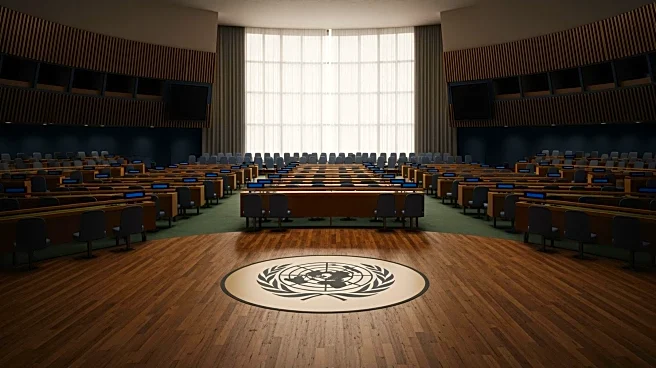
The United Nations Security Council convened an emergency meeting following Israel's recognition of Somaliland as a sovereign state. This move by Israel, led by Prime Minister Benjamin Netanyahu and Foreign
Minister Gideon Saar, marks a significant departure from the international community's stance, as no other country currently recognizes Somaliland. The decision has drawn widespread criticism from various countries and organizations, including the African Union, which views it as undermining Somalia's sovereignty. The recognition comes amid ongoing tensions in the Middle East, with Israel seeking to expand its diplomatic relations in the region.
Why It's Important?
Israel's recognition of Somaliland has significant geopolitical implications, potentially affecting its relations with Arab states and the broader international community. The move could strain Israel's diplomatic efforts in the Middle East, where it has been working to improve ties with several Arab nations. Additionally, the decision highlights the complex dynamics of international recognition and the challenges faced by regions seeking independence. The situation also underscores the double standards perceived in international diplomacy, as highlighted by the U.S. deputy representative to the U.N., who pointed out the lack of similar outrage over the recognition of a Palestinian state.
What's Next?
The international community will likely continue to monitor the situation closely, with potential diplomatic repercussions for Israel. The U.N. Security Council's response and any subsequent actions by other countries will be critical in shaping the future of Somaliland's recognition. The U.S. has indicated that its policy towards Somaliland remains unchanged, aligning with the African Union's stance. The evolving situation may prompt further discussions on international recognition and the criteria for statehood, influencing future diplomatic engagements.