





What's Happening?
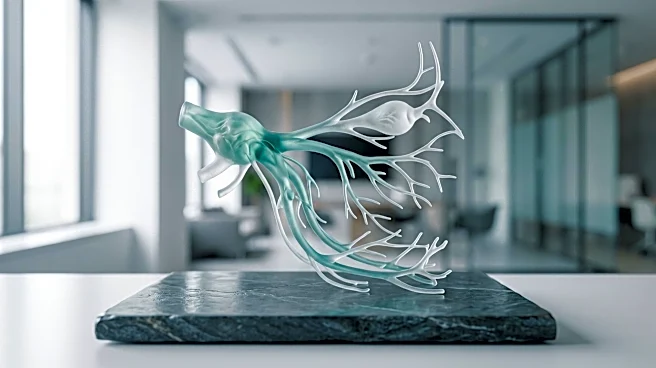
MRI of the brain is being used to assess nerve involvement in orofacial pain conditions, such as trigeminal neuralgia, and to identify any structural causes. This imaging technique is particularly valuable for visualizing the nerve, surrounding blood
vessels, and potential compressions. While trigeminal neuralgia is primarily a clinical diagnosis, MRI scans help exclude other underlying conditions. The approach to diagnosing orofacial pain emphasizes a careful history and examination to differentiate between various sources like the temporomandibular joint, teeth, sinuses, or the trigeminal nerve itself. Sensitization of the nervous system is recognized as a real physiological phenomenon in chronic pain, meaning pain can persist even after the initial trigger has resolved, and is not merely 'psychosomatic.'
Why It's Important?
The strategic use of MRI in diagnosing orofacial pain, particularly trigeminal neuralgia, is crucial for accurate treatment planning and preventing unnecessary interventions. Misdiagnosis can lead to ineffective treatments, such as dental procedures for nerve-related pain, which can cause prolonged suffering and financial burden. By precisely identifying nerve involvement or structural issues, healthcare providers can tailor treatments, potentially involving anticonvulsant medications for trigeminal neuralgia or physical therapy for muscle-related pain. This targeted approach improves patient outcomes, reduces healthcare costs associated with trial-and-error treatments, and enhances the understanding of complex pain conditions, moving away from the misconception that chronic pain without obvious physical signs is not 'real.'
What's Next?
Future developments in orofacial pain management will likely focus on refining diagnostic protocols to ensure timely and accurate identification of nerve-related pain. Continued research into the physiological mechanisms of nervous system sensitization could lead to more effective non-pharmacological and pharmacological treatments. There is an ongoing emphasis on multidisciplinary care teams, including dentists, neurologists, physical therapists, and pain psychologists, to provide comprehensive treatment plans. Patients are encouraged to maintain detailed pain diaries to assist clinicians in tracking symptoms and treatment effectiveness. The goal is to move towards personalized treatment strategies that address the specific cause and nature of the pain, rather than relying on generalized approaches.
Beyond the Headlines
The evolving understanding of orofacial pain, particularly the recognition of nervous system sensitization, challenges traditional views of pain as solely a symptom of physical damage. This shift has broader implications for how chronic pain conditions are perceived and treated across various medical fields. It highlights the complex interplay between physical, neurological, and psychological factors in pain experience. The emphasis on ruling out structural causes with advanced imaging like MRI, while also acknowledging the reality of pain without visible lesions, underscores a more holistic and patient-centered approach to pain management. This perspective can reduce patient stigma and improve the quality of life for individuals suffering from persistent, often debilitating, facial pain.