






What's Happening?
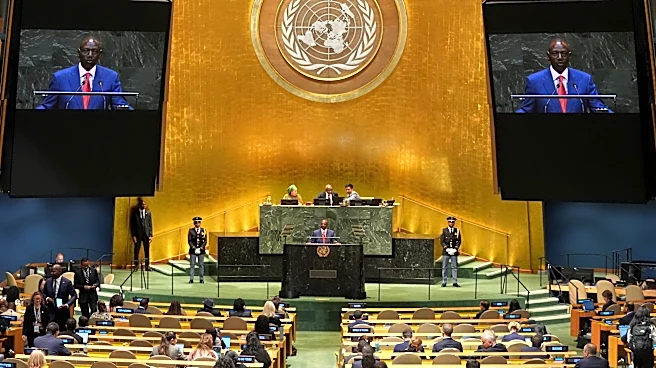
Kenyan President William Ruto addressed the United Nations General Assembly, calling for a systemic structural reform of multilateral development banks. His policy intervention specifically targets sovereign debt sustainability frameworks and credit rating
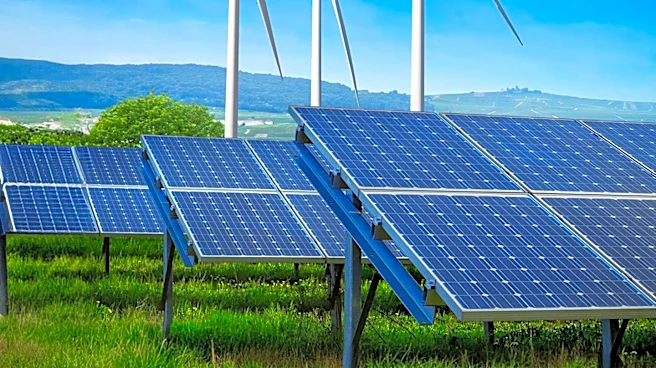
methodologies. The goal is to reduce the cost of infrastructure capital, particularly for sub-Saharan clean energy projects. President Ruto highlighted that current global public liabilities stand at an unprecedented $102 trillion. He cited United Nations Development Programme data, indicating that subjective risk modeling by Western commercial rating syndicates costs African treasuries an estimated $75 billion annually due to inflated interest payments. This artificial inflation of risk premiums on African infrastructure assets by international capital markets restricts utility-scale solar and wind developments from securing long-term, non-recourse project finance. The financing constraints currently affect 46 developing states, where interest payments often exceed total national allocations for public education and health networks. The Nairobi Declaration framework proposes independent African credit rating operations and a general capital increase for the African Development Bank to address these issues.
Why It's Important?
This push for financial architecture reform is crucial for unlocking green capital pipelines in sub-Saharan Africa, which has significant implications for global climate goals and economic development. The current system, as described by President Ruto, creates a fiscal drag that forces developing economies to prioritize debt servicing over essential utility grid expansion. By artificially inflating risk premiums, international capital markets hinder the development of critical clean energy infrastructure, which is vital for combating climate change and fostering sustainable growth in the region. A successful overhaul could lead to lower borrowing costs for African nations, freeing up significant funds for investment in renewable energy, education, and healthcare. This would not only benefit African economies but also contribute to global energy security and climate resilience. The proposed changes, including independent African credit rating operations and increased capital for the African Development Bank, aim to create a more equitable and efficient global financial system that supports sustainable development in emerging markets.
What's Next?
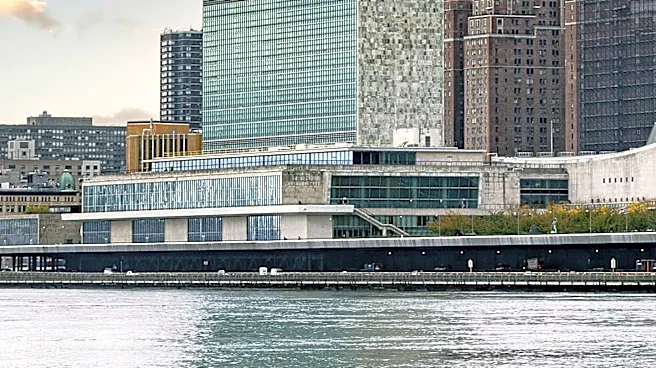
The formal framework for restructuring sovereign debt distress parameters has been presented to international policy planners at the UN headquarters. The next steps involve the international community, particularly G20 independent expert panels, considering and potentially implementing these structural financial changes. While G20 panels have recommended tripling the annual lending volumes of multilateral development banks, executive voting quotas remain under post-war configurations, posing a challenge to rapid reform. The capacity of the international coalition to implement these changes will determine whether clean energy deployment pacing matches regional industrial demand targets. Additionally, bilateral climate finance agreements and risk-mitigation instruments, such as specialized first-loss capital pools, are being explored to insulate private institutional lenders from currency convertibility hazards and scale private sector debt participation across regional transmission grids. Reforming the primary governance rules of the International Monetary Fund is also identified as an absolute determinant for sub-Saharan infrastructure deployment velocity.
Beyond the Headlines
The demand for a global financial architecture overhaul extends beyond immediate economic benefits, touching upon deeper issues of equity, sovereignty, and the legacy of colonial economic structures. The subjective risk modeling by Western commercial rating syndicates, as highlighted by President Ruto, raises questions about systemic biases and their impact on the development trajectories of African nations. This initiative could empower African countries to have greater control over their financial destinies and reduce their reliance on external financial institutions that may not fully understand or adequately assess their unique economic contexts. Furthermore, by enabling greater investment in clean energy, this reform could accelerate Africa's transition to a green economy, fostering energy independence and reducing vulnerability to global fossil fuel price fluctuations. The ethical implications of inflated interest payments diverting funds from essential public services like education and health also underscore the moral imperative for such reforms, aiming to rectify historical imbalances and promote a more just global financial order.