
What's Happening?
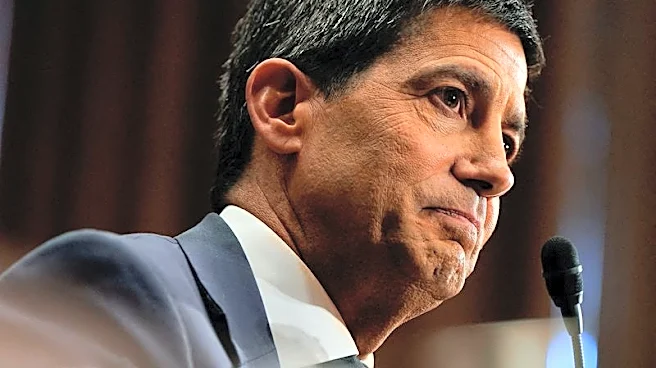
U.S. Senator John Fetterman, a Democrat from Pennsylvania, cast a pivotal vote against a resolution aimed at limiting President Donald Trump's authority to conduct military operations in Iran. This vote marked
the seventh occasion Fetterman has diverged from his party since the conflict began, but it was the first time his vote was decisive due to Republican defections. The resolution failed with a 49-50 vote, as Fetterman was the sole Democrat siding with Republicans who control the Senate. Notably, Republican Senators Rand Paul, Susan Collins, and Lisa Murkowski joined Democrats in supporting the resolution. The vote followed a deadline set by the 1973 War Powers Act, which mandates the withdrawal of U.S. forces unless Congress authorizes the conflict. Despite this, President Trump has continued military operations. Fetterman has consistently supported the war, arguing it is necessary to prevent Iran from developing nuclear weapons and to dismantle its theocratic regime.
Why It's Important?
The vote underscores the ongoing debate over executive military powers and the role of Congress in authorizing military action. Fetterman's decision highlights a significant intra-party division, as he breaks ranks with Democrats who argue the war is illegal and not justified by an imminent threat. The resolution's failure allows President Trump to maintain military operations in Iran without explicit Congressional approval, raising concerns about the balance of power between the executive and legislative branches. This decision could impact U.S. foreign policy and military strategy in the Middle East, affecting international relations and regional stability. The involvement of Republican Senators in supporting the resolution also indicates a bipartisan concern over unchecked executive military authority.
What's Next?
The outcome of the vote may prompt further legislative efforts to assert Congressional authority over military engagements. Democrats and some Republicans may continue to push for resolutions under the War Powers Act to limit the President's military actions. The ongoing conflict in Iran and the U.S. military's role in the region will likely remain contentious issues in Congress. Additionally, Fetterman's repeated breaks with his party could influence his political standing and future legislative actions. The broader implications for U.S. foreign policy and military strategy in the Middle East will continue to be debated among lawmakers and policy experts.