



What's Happening?
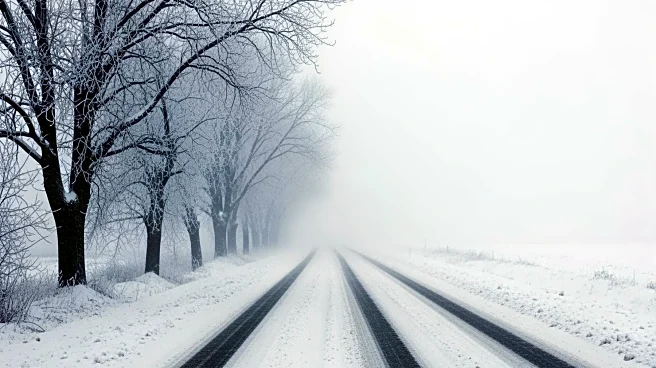
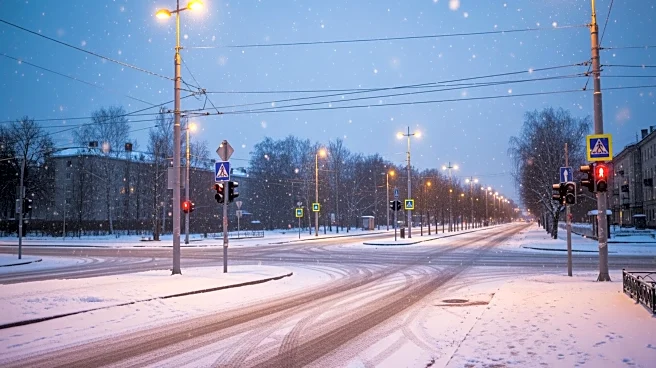
Several cities in Minnesota, including Minneapolis and St. Paul, have declared snow emergencies in anticipation of a significant winter storm expected to hit the region. The storm is predicted to bring heavy snowfall, with some areas potentially receiving
over a foot of snow. In response, Minneapolis Mayor Jacob Frey and St. Paul Mayor Kaohly Her announced measures to facilitate parking and snow removal. Residents are encouraged to move their vehicles off the streets to allow for efficient plowing. Free parking has been made available at designated lots, such as the Farmer’s Market and Salvation Army parking lots in Minneapolis, to accommodate residents during the snow emergency. The snow emergency will be in effect from Sunday evening, with plowing operations scheduled to continue through the following days.
Why It's Important?
The declaration of snow emergencies is crucial for maintaining public safety and ensuring that city streets remain passable during severe weather conditions. By implementing parking restrictions and providing alternative parking options, city officials aim to facilitate efficient snow removal and minimize disruptions to daily life. The storm poses significant challenges for transportation, with potential impacts on road safety and public transit. The proactive measures taken by city officials are intended to mitigate these challenges and ensure that emergency services can operate effectively. The snowstorm also highlights the importance of preparedness and coordination among city agencies to manage extreme weather events.
What's Next?
As the storm progresses, city officials will continue to monitor weather conditions and adjust their response strategies as needed. Residents are advised to stay informed about the latest updates and adhere to parking restrictions to avoid fines and towing. The snow emergency is expected to remain in effect until streets are fully cleared, with plowing operations continuing over the next several days. City officials will assess the situation and provide further guidance to residents as necessary. The response to the storm will also involve coordination with state and regional agencies to ensure that resources are allocated effectively.