









What's Happening?
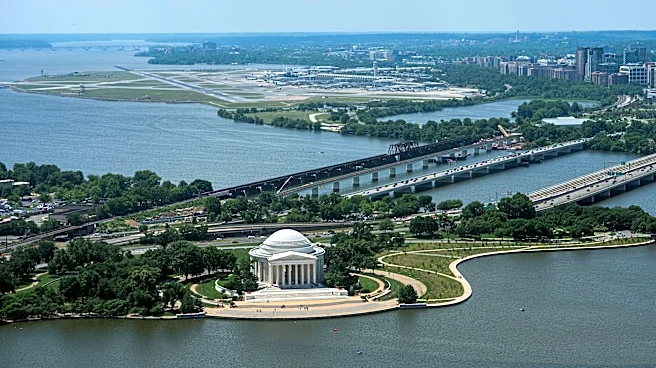
Ronald Reagan Washington National Airport, the closest airport to downtown Washington, D.C., will undergo a temporary closure as part of the America250 celebrations. The Federal Aviation Administration (FAA) has announced that the airport will be closed
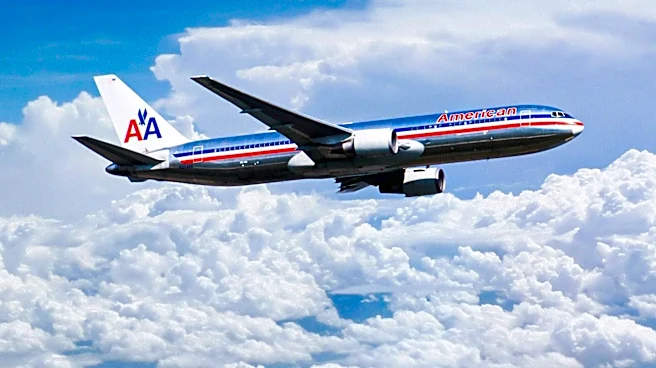
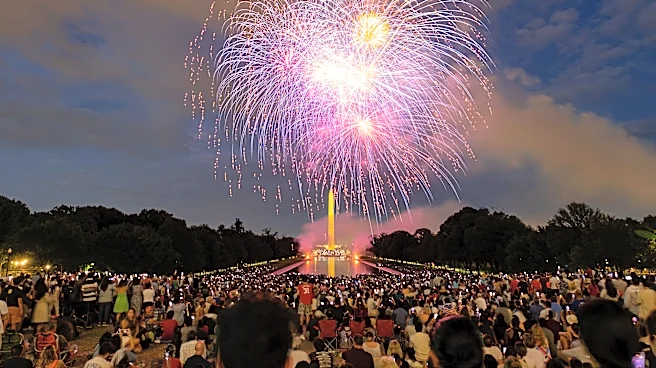
from 10 a.m. to 1 p.m. on July 3 for aerial rehearsals, and again from noon until midnight on July 4 for Independence Day celebrations, which include military flyovers. Typically handling about 850 flights daily, the airport will see a significant reduction in operations, with only 260 flights scheduled on July 4. Airlines such as American Airlines, Delta Air Lines, Southwest Airlines, and United Airlines have adjusted their schedules in advance to accommodate the closure, ensuring minimal disruption to travelers.
Why It's Important?
The closure of Reagan National Airport is significant as it highlights the scale of the America250 celebrations, marking the 250th anniversary of the United States. This event underscores the logistical challenges and planning required to accommodate large-scale national celebrations, particularly in a major metropolitan area like Washington, D.C. The impact on air travel is considerable, affecting thousands of passengers and requiring airlines to make substantial adjustments. This situation also reflects the broader implications for air traffic management and the coordination required among various stakeholders, including airlines, the FAA, and local authorities, to ensure safety and minimize inconvenience.
What's Next?
Following the temporary closure, normal operations at Reagan National Airport are expected to resume on July 5. Airlines have been proactive in offering travel waivers to customers flying to affected airports, anticipating potential delays. The celebrations will continue with various events, including the Great American State Fair on the National Mall, which runs through July 10. The fair features exhibits from all 50 states, live entertainment, and military displays. As the celebrations unfold, authorities will likely monitor the situation closely to address any emerging issues related to air travel and public safety.