







What's Happening?
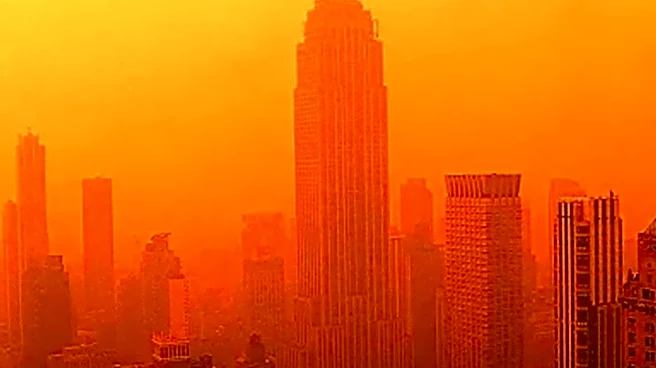
A dangerous heatwave is expected to impact more than 100 million Americans this week, with extreme temperatures forecasted from Los Angeles to Boston. Cities in the West, such as Salt Lake City and Billings, Montana, have already experienced record-breaking
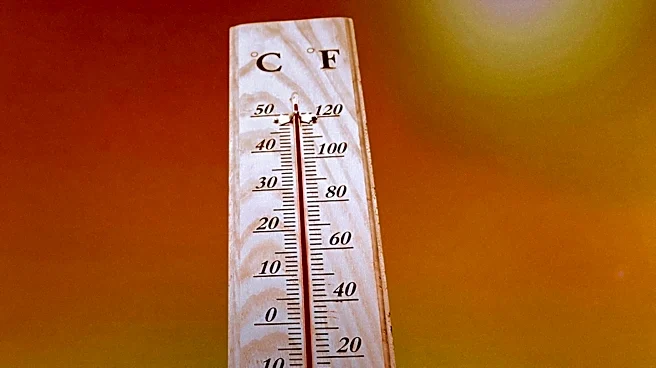
temperatures. The heatwave is driven by a heat dome over the Northern Plains, resulting in high heat and humidity across the northern tier of the United States. The Northeast is set to experience a heatwave starting Tuesday, with temperatures exceeding 90 degrees in cities like New York City, Philadelphia, and Washington, D.C. Heat advisories are in place across much of the Northeast, with heat indices expected to reach around 100 degrees.
Why It's Important?
The heatwave poses significant health risks, particularly for vulnerable populations such as the elderly and those with pre-existing health conditions. The extreme temperatures can lead to heat-related illnesses and increased mortality rates. Additionally, the heatwave may strain energy resources as demand for air conditioning rises, potentially leading to power outages. The situation underscores the need for public health preparedness and infrastructure resilience to cope with extreme weather events.
What's Next?
As the heatwave progresses, authorities may implement additional measures to protect public health, such as opening cooling centers and issuing heat advisories. The situation may also prompt discussions on the need for long-term strategies to address the impacts of climate change, including investments in renewable energy and infrastructure improvements to withstand extreme weather conditions.
Beyond the Headlines
The heatwave highlights the broader implications of climate change on public health and infrastructure. It raises questions about the adequacy of current systems to cope with extreme weather events and the need for comprehensive climate adaptation strategies. The situation also emphasizes the importance of community resilience and the role of local governments in protecting vulnerable populations.