








What's Happening?
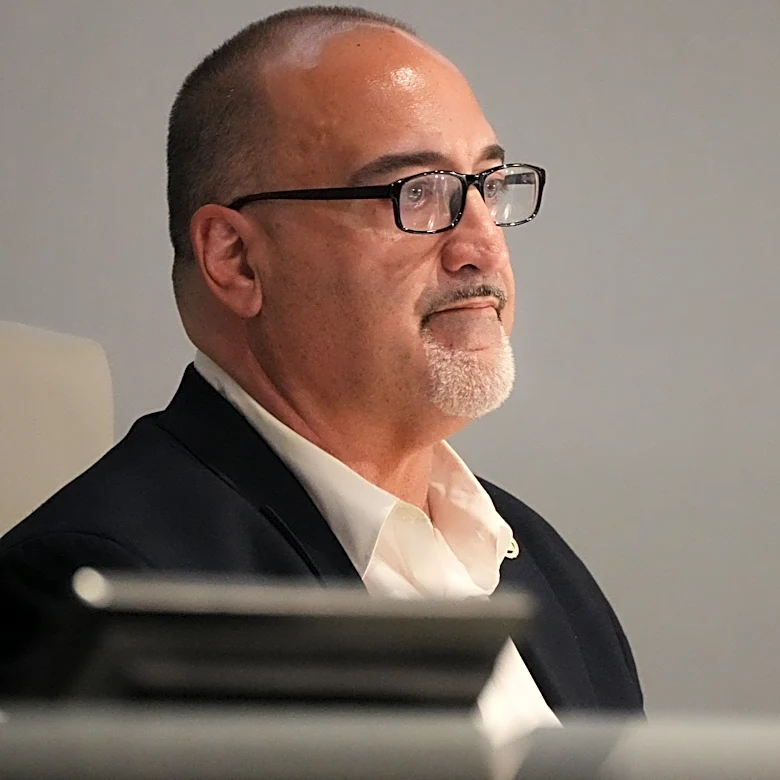
District Attorney Jason Smith is actively pushing for significant changes to North Carolina's hit-and-run laws, aiming to elevate the severity of charges for incidents resulting in serious injury or death. Currently, such offenses are classified as Class
F felonies, carrying a presumptive minimum sentence of 13-16 months. Smith proposes reclassifying these to Class D felonies, which would increase the presumptive minimum sentence to 51-64 months and typically mandate active sentencing. This initiative stems from cases like Tracy Turner's, who lost a leg after a hit-and-run, and Conor Mahoney's, a 15-year-old killed in a similar incident. In both cases, the perpetrators received what victims and prosecutors consider lenient sentences due to the current legal framework. Smith argues that the existing law inadvertently incentivizes impaired drivers to flee accident scenes, as proving impairment hours or days later becomes nearly impossible, thus allowing them to avoid more severe charges like felony death by vehicle, which is already a Class D felony. He plans to present individual victim stories to lawmakers in Raleigh to illustrate the human impact of the current statutes.
Why It's Important?
The proposed changes to North Carolina's hit-and-run laws hold significant implications for public safety, justice for victims, and the state's legal system. Elevating hit-and-run charges to Class D felonies would introduce harsher penalties, potentially deterring drivers from fleeing accident scenes, especially those involving serious injury or death. This could lead to a reduction in such incidents and ensure that those responsible face more appropriate consequences. For victims and their families, the current system often results in perceived injustices, as perpetrators may receive probation or minimal jail time even in cases of severe harm or fatality. Stronger laws could provide a greater sense of accountability and closure. Furthermore, the initiative addresses a critical loophole where impaired drivers might be incentivized to leave a scene to avoid charges related to driving under the influence, which are often more severe. By making the act of fleeing itself a more serious offense, the legal system would no longer inadvertently reward such behavior, thereby enhancing road safety and legal equity.
What's Next?
District Attorney Jason Smith intends to engage with North Carolina lawmakers in Raleigh to advocate for the proposed changes. He plans to organize a group, potentially including victims like Tracy Turner and the family of Conor Mahoney, to share personal testimonies and highlight the deficiencies of the current law. While there is no set timeline for legislative action, Smith has reached out to the North Carolina Conference of District Attorneys to garner support and coordinate efforts. The Mahoneys have also drafted 'Conor's Law,' which aligns with Smith's proposal to elevate deadly hit-and-runs to require mandatory active sentencing and introduces a new offense for felony death by distracted driving. Representative Deb Butler (D - NC 18) believes 'Conor's Law' could receive bipartisan support, indicating a potential path forward for legislative reform. Beyond legislative efforts, there's a recognized need to improve data collection on hit-and-run incidents, as current state agency data is incomplete, making it difficult to analyze broader sentencing trends and the full scope of the problem.
Beyond the Headlines
The push to strengthen North Carolina's hit-and-run laws touches upon deeper societal and ethical considerations regarding accountability and the value placed on human life in the legal system. The current Class F felony classification for hit-and-runs resulting in serious injury or death, with its relatively light presumptive sentences, raises questions about whether the law adequately reflects the gravity of these offenses. The perceived incentive for impaired drivers to flee, rather than face immediate consequences, highlights a moral hazard within the legal framework. This situation underscores the tension between legal technicalities and the pursuit of justice for victims. The advocacy by District Attorney Smith and affected families like the Turners and Mahoneys transforms personal tragedy into a catalyst for systemic change, emphasizing the power of individual stories to influence public policy. The broader implication is a re-evaluation of how the legal system balances punitive measures with restorative justice, and how it can be reformed to prevent future tragedies and ensure greater equity for all involved in such devastating incidents.