








What's Happening?
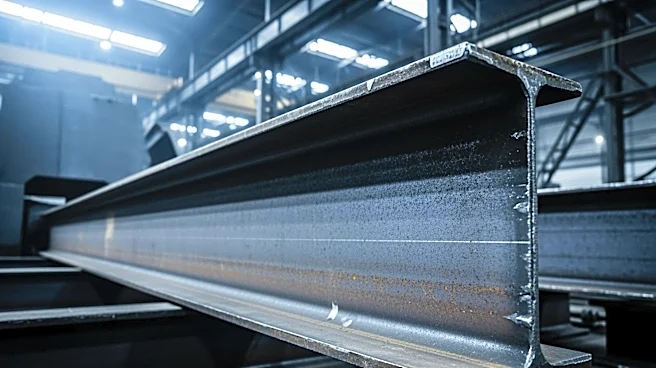
The UK government is reportedly considering the nationalization of British Steel as part of efforts to stabilize the struggling industry. Industry Minister Chris McDonald has indicated that the government is 'strongly minded' to take this step. This move
comes amid broader challenges facing the manufacturing sector, including the need for strategic diversification and adaptation to new technologies. The article highlights several industry developments, such as Bridgnorth Aluminium's expansion into electrification and Grainger & Worrall's diversification into aerospace and defense, which reflect efforts to navigate the evolving industrial landscape.
Why It's Important?
The potential nationalization of British Steel underscores the critical role of government intervention in stabilizing key industries. This decision could have significant implications for the UK's economic policy and its approach to managing industrial challenges. Nationalization may provide a lifeline to British Steel, preserving jobs and maintaining the country's manufacturing capabilities. However, it also raises questions about the sustainability of such interventions and the long-term strategy for the industry. The move could influence other countries facing similar industrial challenges, potentially setting a precedent for government involvement in the private sector.
What's Next?
If the UK government proceeds with nationalization, it will need to develop a comprehensive plan to ensure the long-term viability of British Steel. This may involve investments in technology, infrastructure, and workforce development to enhance competitiveness. The government will also need to address potential regulatory and financial implications of nationalization. Stakeholders, including industry leaders, trade unions, and policymakers, will likely engage in discussions to shape the future of the steel industry. The outcome of these deliberations could influence broader industrial policy and economic strategy in the UK.