




What's Happening?
A new report by Volunteers of America - Greater New York, one of New York City's oldest shelter operators, details the deteriorating conditions within the city's homeless shelters. The report highlights issues such as leaks, sewage smells, and non-opening
windows, attributing these problems to a slow and cumbersome city process for approving and executing repairs. Shelter providers claim that the city's fix-it process is 'obscenely onerous,' leading to basic improvements taking months or even years to be approved. One example cited is a family shelter closed for two years due to fire safety concerns, where the city is spending $3 million annually to hire staff to prevent fires in the vacant building, while replacing fire panels would cost $800,000. The city's Department of Homeless Services acknowledges inheriting an aging shelter system and states it is taking steps to transform it, conducting regular inspections and working with providers on repairs.
Why It's Important?
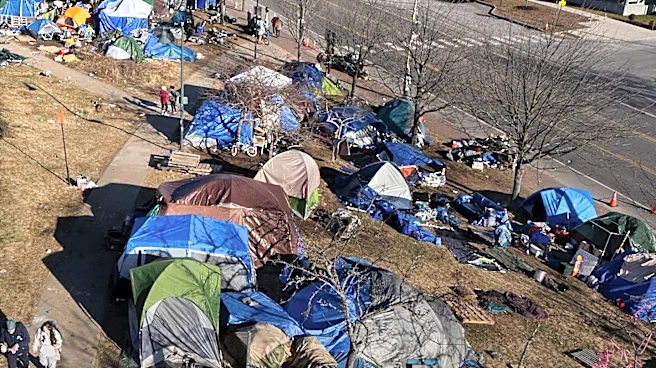
The report underscores a critical failure in New York City's infrastructure maintenance and its direct impact on a vulnerable population. With the city's shelter population at record-high levels and more people sleeping outdoors, the poor conditions in shelters can deter individuals from seeking refuge, exacerbating the homelessness crisis. The inefficiency and high cost of the current repair process, as exemplified by the $3 million annual expenditure on staff for a vacant shelter versus an $800,000 repair, represent a significant misuse of taxpayer money. This situation not only affects the dignity and safety of homeless New Yorkers but also strains city resources that could be better allocated to long-term solutions. The lack of a dedicated fund for shelter renovations and the complex approval process hinder timely and effective repairs, perpetuating a cycle of deterioration and increased costs.
What's Next?
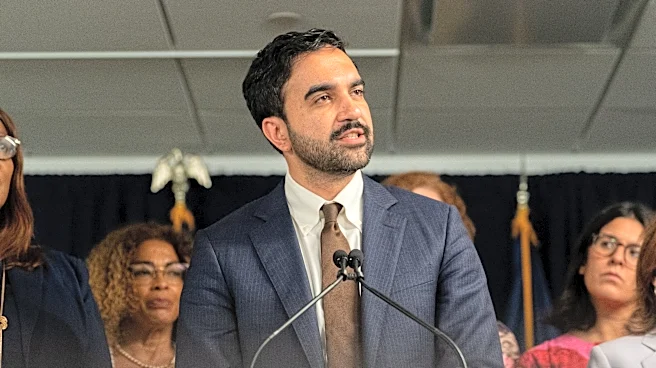
The report recommends that New York City create a dedicated fund for shelter renovations, transfer ownership of some city-owned shelters to nonprofits, and conduct a comprehensive capital needs assessment. These recommendations aim to streamline the repair process and ensure more efficient use of funds. The Mamdani administration, through the Department of Homeless Services, has stated its commitment to transforming the shelter system and improving conditions, but specific actions in response to the report's findings are yet to be detailed. Pressure from advocacy groups like the Coalition for the Homeless and continued media attention may push the city to implement more immediate and systemic changes to its repair protocols and funding mechanisms. The ongoing dialogue between shelter providers and city officials will be crucial in determining whether these recommendations are adopted and how quickly improvements can be made to the city's aging shelter infrastructure.
Beyond the Headlines
This issue extends beyond mere maintenance problems; it touches upon the ethical responsibility of a wealthy city to provide humane conditions for its most vulnerable residents. The bureaucratic hurdles and financial inefficiencies highlighted in the report suggest a systemic problem that prioritizes process over people. The long-term implications include not only the continued suffering of homeless individuals but also a potential erosion of public trust in the city's ability to manage essential social services. The report implicitly calls for a re-evaluation of the city's approach to homelessness, moving beyond temporary fixes to sustainable, dignified solutions. This situation also raises questions about the allocation of city funds and whether current spending truly reflects the city's stated commitment to addressing the homelessness crisis. The contrast between the cost of temporary measures and permanent repairs underscores a need for a more strategic and compassionate approach to urban planning and social welfare.