

What's Happening?
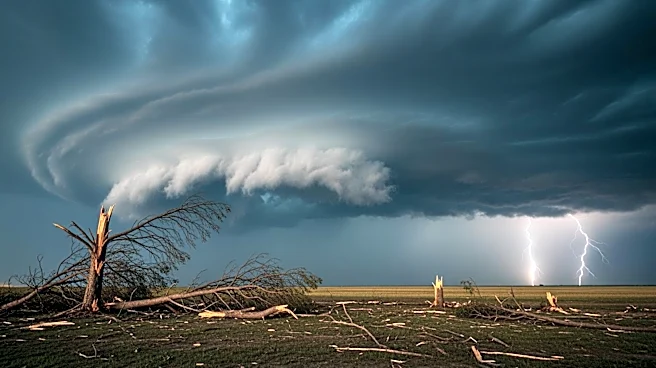
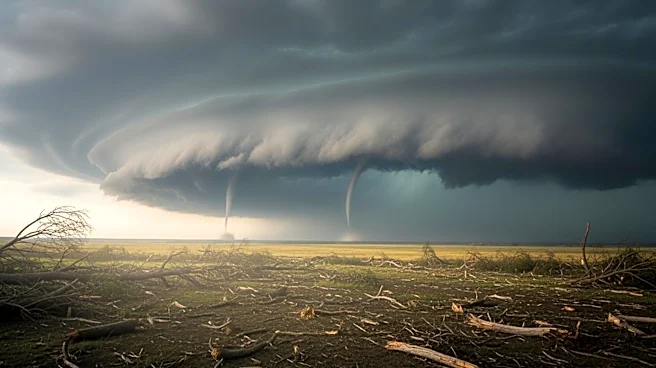
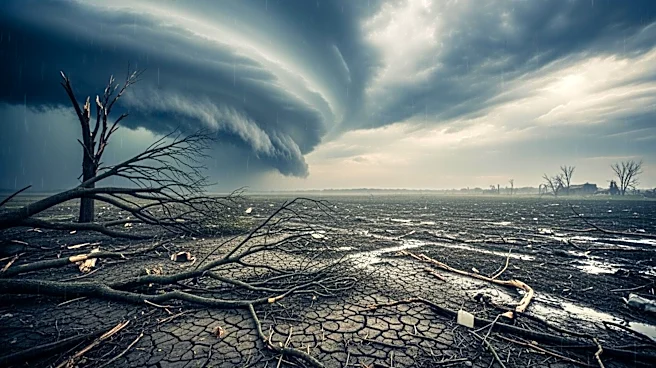
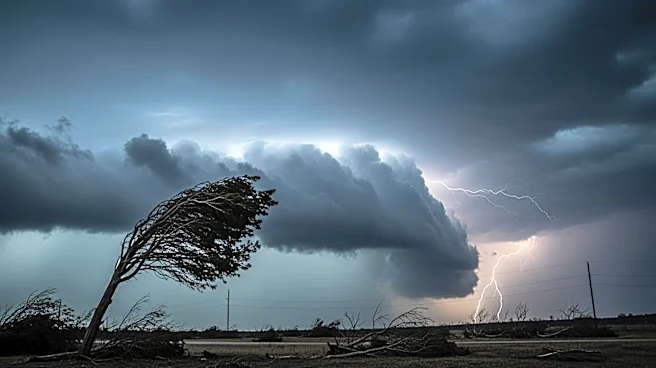
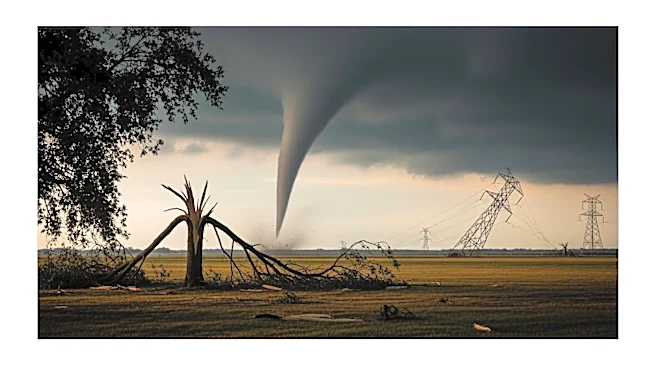
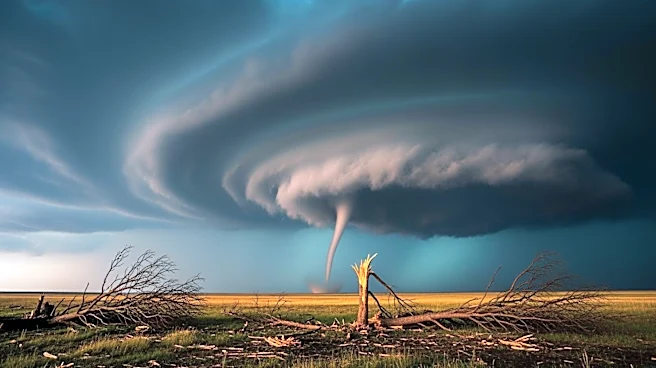
A series of powerful winds and reported tornadoes swept through the Midwest, causing significant damage across several states. In Lena, Illinois, the storm resulted in the destruction of homes and buildings, with roofs torn off and trees uprooted. The
storm system, which included more than 30 confirmed tornadoes, also affected areas in Wisconsin and Minnesota. In Wisconsin, the cities of Kronenwetter and Ringle experienced severe damage, with some residents trapped in their basements. In Minnesota's Olmsted County, multiple levels of damage were reported, particularly in Marion Township where at least 30 homes were significantly affected. Despite the extensive damage, no fatalities were reported, and local officials are preparing for a long recovery process.
Why It's Important?
The severe weather event highlights the vulnerability of the Midwest to tornadoes and extreme weather conditions, which can cause significant disruptions to communities and local economies. The damage to infrastructure and homes necessitates substantial recovery efforts, which can strain local resources and require external assistance. The event underscores the importance of emergency preparedness and the need for robust infrastructure to withstand such natural disasters. Additionally, the community response, including efforts by local organizations like the Community Foundation of North Central Wisconsin and United Way of Marathon County, demonstrates the critical role of local support networks in disaster recovery.
What's Next?
In the aftermath of the storms, recovery efforts are underway, with local authorities and community organizations working to assess the damage and provide assistance to affected residents. The National Weather Service is conducting surveys to confirm the extent of the tornado activity. Power restoration efforts are ongoing, particularly in areas like Kronenwetter, Wisconsin, where significant outages occurred. As communities begin the rebuilding process, there may be calls for increased investment in infrastructure resilience and emergency response capabilities to better prepare for future severe weather events.