





What's Happening?
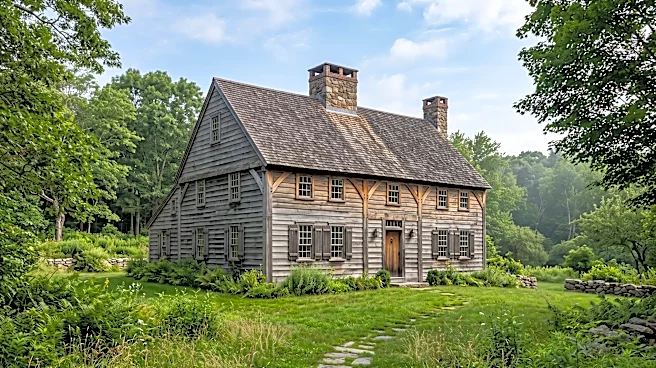
The Swampscott Historical Commission and Save the Glover Board Member Nancy Schultz discussed the past, present, and future of the Glover Farmhouse during a presentation at Marblehead's Abbott Public Library. The event, part of the Marblehead 250 Lecture
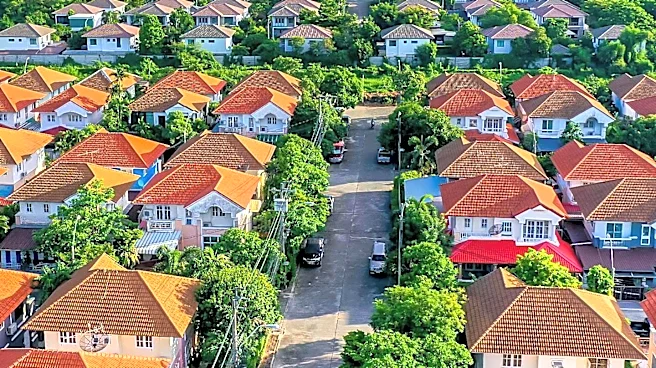
Series, coincided with Gen. John Glover’s 294th birthday. Schultz detailed the property's history, from Glover’s 1781 purchase to its operation as the General Glover House Restaurant from 1957 to 1996, and later as the Glover Inn. She presented historical photographs and accounts, highlighting that 75 to 80% of the home’s original framing remains intact. Swampscott’s Planning Board has approved a restoration plan that includes a 140-unit development on the site. The plan requires final approval from Marblehead’s Planning Board at an upcoming meeting on November 19 before work can commence. The restoration involves emergency stabilization, removal of deteriorated 19th-century additions, and exterior and some interior repairs. Approval will also grant the Historical Commission access for structural and architectural surveys.
Why It's Important?
This development is significant for historical preservation efforts in Massachusetts, particularly for Swampscott and Marblehead. The Glover Farmhouse represents a direct connection to the region's colonial past and General John Glover, a figure of historical importance. The approval of the restoration plan by Swampscott's Planning Board, coupled with the potential for a 140-unit development, signifies a complex intersection of historical preservation and modern urban development. The project aims to stabilize a deteriorating historical structure, preventing further decay, while also addressing contemporary housing needs. The involvement of the Swampscott Historical Society and the need for public support and additional funding underscore the challenges and community engagement required for such large-scale preservation projects. The outcome of Marblehead's Planning Board decision will determine the immediate future of this historical landmark and set a precedent for similar projects balancing heritage and development.
What's Next?
The next critical step is the decision by Marblehead’s Planning Board, scheduled for November 19. If approved, work on the Glover Farmhouse restoration could begin shortly thereafter. The immediate priority is the emergency stabilization of the building before winter, as emphasized by Nancy Schultz. The restoration is anticipated to be a multi-year process, requiring ongoing public support and additional funding beyond what has already been secured. Save the Glover has engaged in preliminary discussions with developers and is prepared to act as an intermediary to oversee renovations and develop a future plan for the farmhouse’s interior. Potential future uses for the farmhouse include a display museum area, rentable public and meeting spaces for residents of the complex, and possibly office space. A proposed 'Popover Cafe' museum shop is also being considered.
Beyond the Headlines
The Glover Farmhouse project highlights the broader challenges and opportunities in preserving historical landmarks within growing communities. It exemplifies the delicate balance between honoring historical heritage and accommodating modern development needs. The integration of a 140-unit development with the restoration of a colonial-era farmhouse raises questions about how historical sites can be sustainably maintained and integrated into contemporary urban landscapes. The project's reliance on public support and additional funding also underscores the financial complexities of historical preservation, often requiring a blend of private investment, public grants, and community engagement. The proposed future uses, such as a museum and community spaces, suggest a model for making historical sites relevant and accessible to current and future generations, transforming them from static relics into dynamic community assets.