







What's Happening?
A senior Iranian official has warned that the conflict between the United States and Iran is likely to restart following comments from President Trump suggesting that the U.S. might be better off without a nuclear agreement. The official, Mohammad Jafar
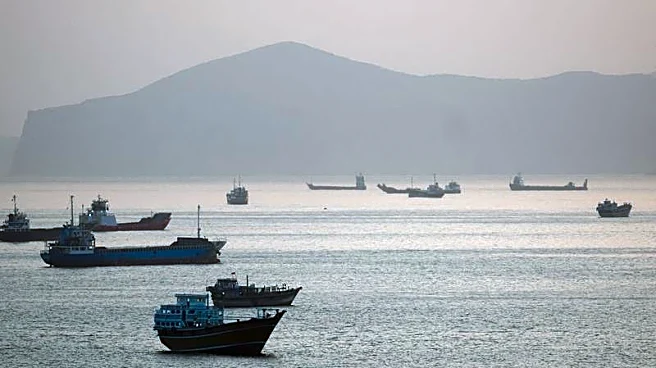
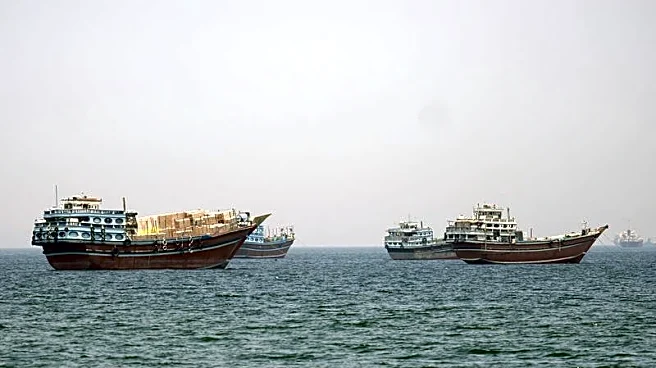
Asadi, highlighted Iran's desire to reopen the Strait of Hormuz and end the U.S. blockade as part of its latest counterproposal for nuclear talks. President Trump, however, expressed dissatisfaction with the offer, stating that the ongoing conflict, which began on February 28, has persisted for too long. A temporary ceasefire was reached on April 8, but tensions remain high as both nations navigate the complex geopolitical landscape.
Why It's Important?
The potential resumption of hostilities between the U.S. and Iran could have significant implications for global security and economic stability. The Strait of Hormuz is a critical chokepoint for global oil shipments, and any disruption could lead to increased oil prices and economic uncertainty. The situation also underscores the challenges of diplomatic negotiations in resolving nuclear proliferation issues. A renewed conflict could strain U.S. relations with allies and impact international efforts to maintain peace and stability in the Middle East. The geopolitical tensions may also influence domestic politics in the U.S., as policymakers debate the best approach to handling the situation.
What's Next?
The international community will likely continue to monitor the situation closely, with diplomatic efforts aimed at preventing a full-scale conflict. The U.S. and Iran may engage in further negotiations, potentially involving intermediaries or international organizations, to find a resolution. The outcome of these talks could shape the future of U.S.-Iran relations and influence broader geopolitical dynamics in the region. Meanwhile, stakeholders in the global oil market will need to prepare for potential disruptions and price fluctuations as the situation evolves.