

What's Happening?
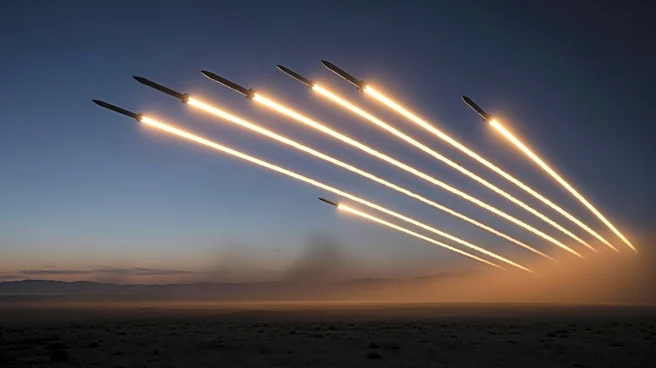
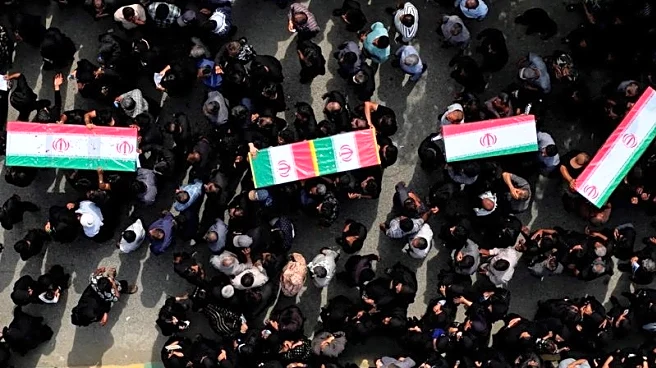
The Israel Defense Forces (IDF) have conducted a series of airstrikes targeting Iranian military infrastructure, including facilities associated with the Islamic Revolutionary Guard Corps (IRGC). The strikes involved over 80 fighter jets and targeted
key sites such as the IRGC's main military university and missile storage facilities. The IDF's actions are part of an ongoing effort to degrade Iran's military capabilities and reduce the threat posed to Israel. The strikes also targeted underground facilities used for producing ballistic missiles and command centers housing senior Iranian officials.
Why It's Important?
These military actions by the IDF are significant in the context of ongoing tensions between Israel and Iran. The strikes aim to weaken Iran's military infrastructure, which is seen as a direct threat to Israel's security. By targeting key military sites, the IDF seeks to disrupt Iran's ability to launch attacks and produce advanced weaponry. This escalation could have broader implications for regional stability, potentially drawing in other countries and affecting global diplomatic relations. The situation highlights the persistent volatility in the Middle East and the challenges of achieving long-term peace.
What's Next?
The IDF is likely to continue its operations against Iranian targets as part of its strategy to neutralize perceived threats. The international community will be closely monitoring the situation, with potential diplomatic interventions aimed at de-escalating tensions. Iran's response to these strikes could further influence the dynamics of the conflict, with possible retaliatory actions or increased military readiness. The ongoing conflict may also impact global oil markets and international relations, as countries navigate their positions in response to the developments.