






What's Happening?
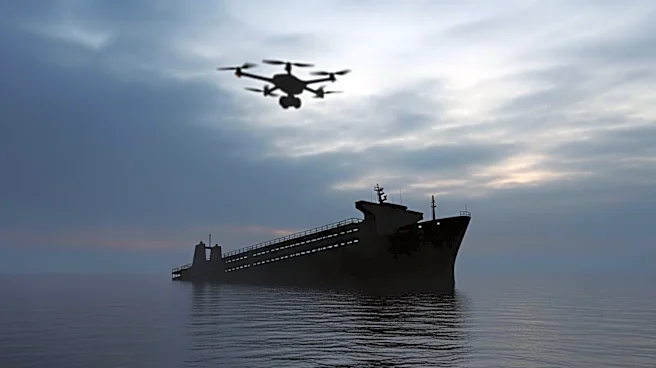
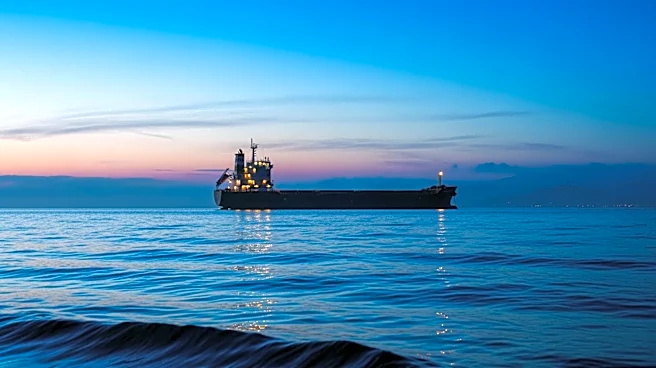
Animal welfare organizations are advocating for a ban on seaborne livestock exports following the sinking of the Indian-flagged cargo vessel MSV Haji Ali. The ship, carrying approximately 4,000 sheep and goats, was reportedly attacked by a drone in the Strait
of Hormuz, leading to a fire and the vessel's sinking. All 14 crew members were rescued by the Oman Coast Guard. The incident has highlighted the risks associated with live animal trade, as the animals were confined in crowded conditions and perished in the attack. The vessel was traveling from Somalia to the United Arab Emirates and had its automatic identification system turned off at the time of the incident.
Why It's Important?
The sinking of the MSV Haji Ali underscores the dangers of the live animal export industry, which involves transporting animals over long distances in often harsh conditions. Animal welfare groups argue that such incidents are not isolated and that the trade exposes animals to extreme heat, disease, and exhaustion. The event has reignited calls for a ban on live exports, with organizations like World Animal Protection urging governments to invest in alternatives. The incident also highlights geopolitical tensions in the Strait of Hormuz, a critical shipping route, and raises concerns about maritime security and animal welfare.
What's Next?
Animal welfare organizations are expected to intensify their lobbying efforts for a ban on live animal exports. Countries like Australia have already taken steps to phase out such practices, with plans to end live sheep exports by 2028. The incident may prompt other nations to reconsider their policies on live animal trade. Additionally, the attack could lead to increased scrutiny of maritime security in the Strait of Hormuz, potentially affecting shipping routes and international trade dynamics.