


What's Happening?
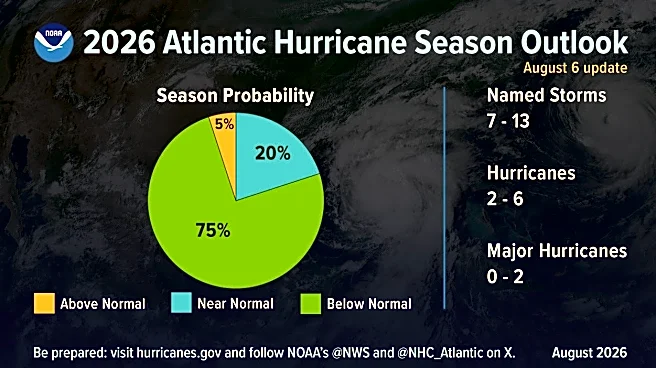
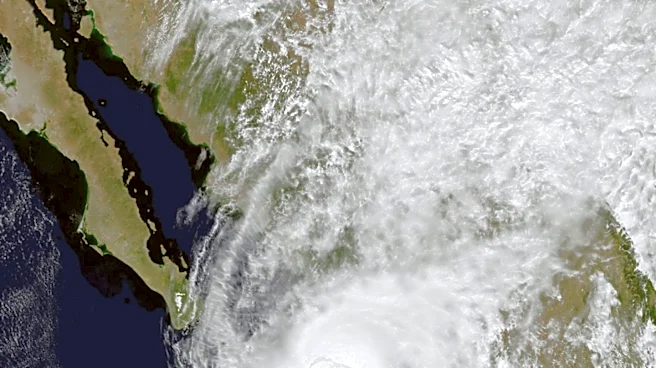
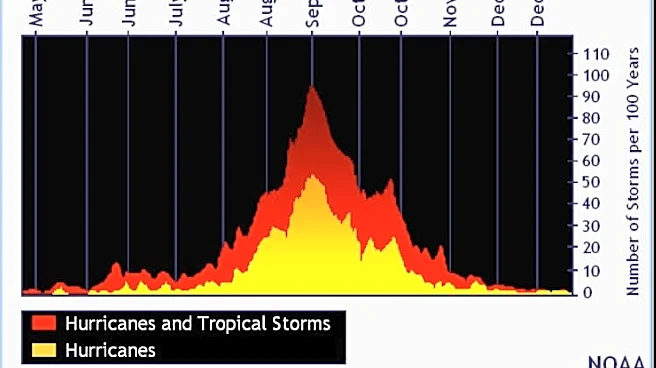
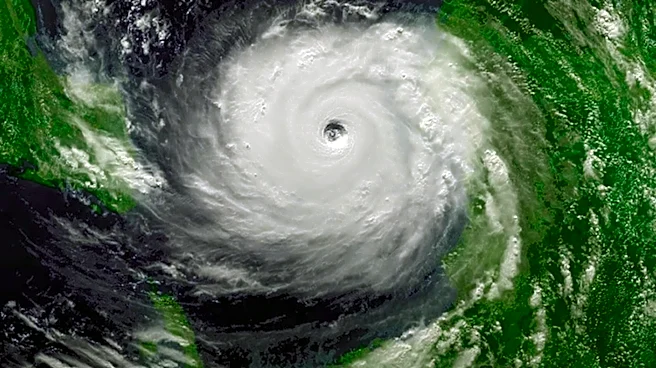
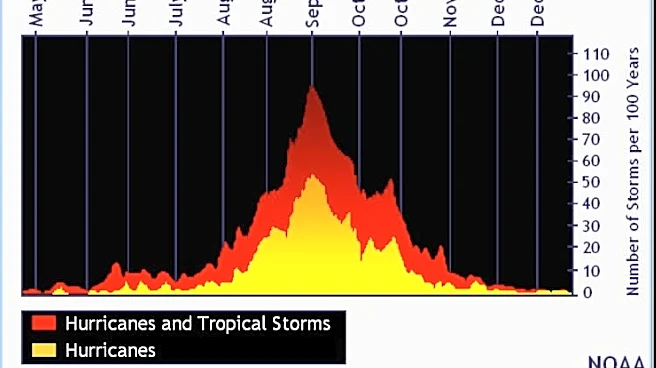
The National Oceanic and Atmospheric Administration (NOAA) has released its final outlook for the 2026 Atlantic hurricane season, predicting below-average activity due to a strong El Niño climate pattern. The agency expects 7 to 13 named storms, 2 to 6 hurricanes,
and up to 2 major hurricanes. This forecast is a slight reduction from earlier predictions and reflects the influence of El Niño, which typically suppresses hurricane formation in the Atlantic. The current El Niño event is characterized by water temperatures in the Pacific Ocean that are significantly above average, potentially reaching 'Super' status by the end of the year.
Why It's Important?
The forecast of a below-average hurricane season is significant for regions along the Atlantic coast, which may experience fewer and less intense storms. This could reduce the risk of damage and economic disruption typically associated with hurricanes. However, the presence of a strong El Niño also has broader implications for global weather patterns, potentially affecting precipitation and temperature trends worldwide. The situation highlights the complex interplay between oceanic and atmospheric conditions and their impact on weather systems.
What's Next?
As the hurricane season progresses, NOAA and other meteorological agencies will continue to monitor the development of El Niño and its effects on the Atlantic. The potential for 'homegrown' tropical systems in the Gulf of Mexico and along the Southeast coast remains, requiring ongoing vigilance and preparedness. The evolving situation will be closely watched by emergency management officials and communities in hurricane-prone areas, who must remain ready to respond to any unexpected developments.
Beyond the Headlines
The strengthening El Niño could have long-term implications beyond the current hurricane season. Its influence on global weather patterns may affect agricultural productivity, water resources, and energy demand in various regions. Understanding and adapting to these changes will be crucial for policymakers and industries reliant on climate-sensitive resources.