



What's Happening?
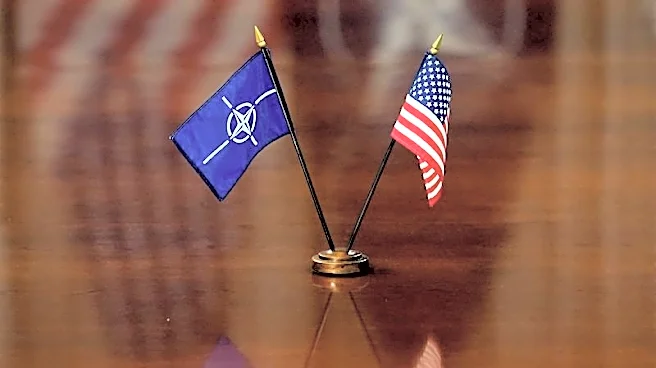
The United States is planning to significantly reduce its military contributions to NATO, including fighter jets, warships, and mid-air refueling aircraft. This decision comes amid President Trump's criticism of European allies for insufficient military spending
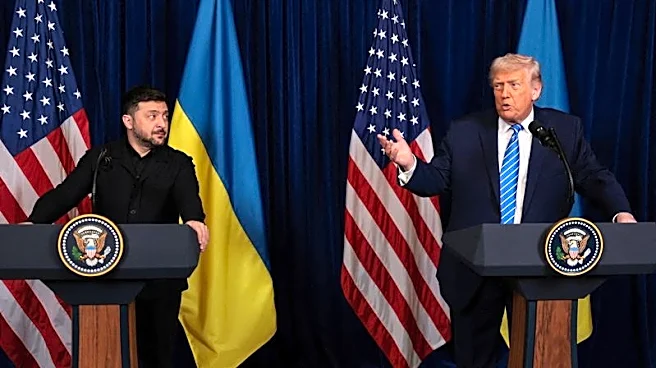
and his controversial stance on Greenland. The reduction in U.S. military support has raised concerns among European countries about the reliability of the U.S. as a NATO ally. The U.S. Defense Secretary's envoy briefed NATO officials on the planned reductions, which are part of a broader strategy to encourage Europe to take more responsibility for its own defense.
Why It's Important?
This move could have profound implications for NATO's operational capabilities and the balance of military power in Europe. The reduction in U.S. military support may force European countries to increase their defense spending and capabilities, potentially leading to a more balanced distribution of military responsibilities within NATO. However, it also risks weakening the alliance's collective defense posture at a time of heightened geopolitical tensions, particularly with Russia. The decision reflects ongoing debates about burden-sharing within NATO and the future role of the U.S. in European security.
What's Next?
Further discussions are expected at NATO's upcoming Force Generation conference, where member states will outline their military commitments. European countries may need to accelerate their defense investments to fill the gaps left by the U.S. withdrawal. The situation could lead to a reevaluation of NATO's strategic priorities and the development of new defense strategies. The U.S. will likely continue to pressure European allies to increase their military contributions, while European leaders may seek to strengthen intra-European defense cooperation.