
What's Happening?
A top Russian military official, Lt Gen Vladimir Alekseyev, was shot in Moscow, leading to heightened tensions between Russia and Ukraine. The Kremlin has accused Ukraine of being behind the assassination attempt, although no evidence has been provided
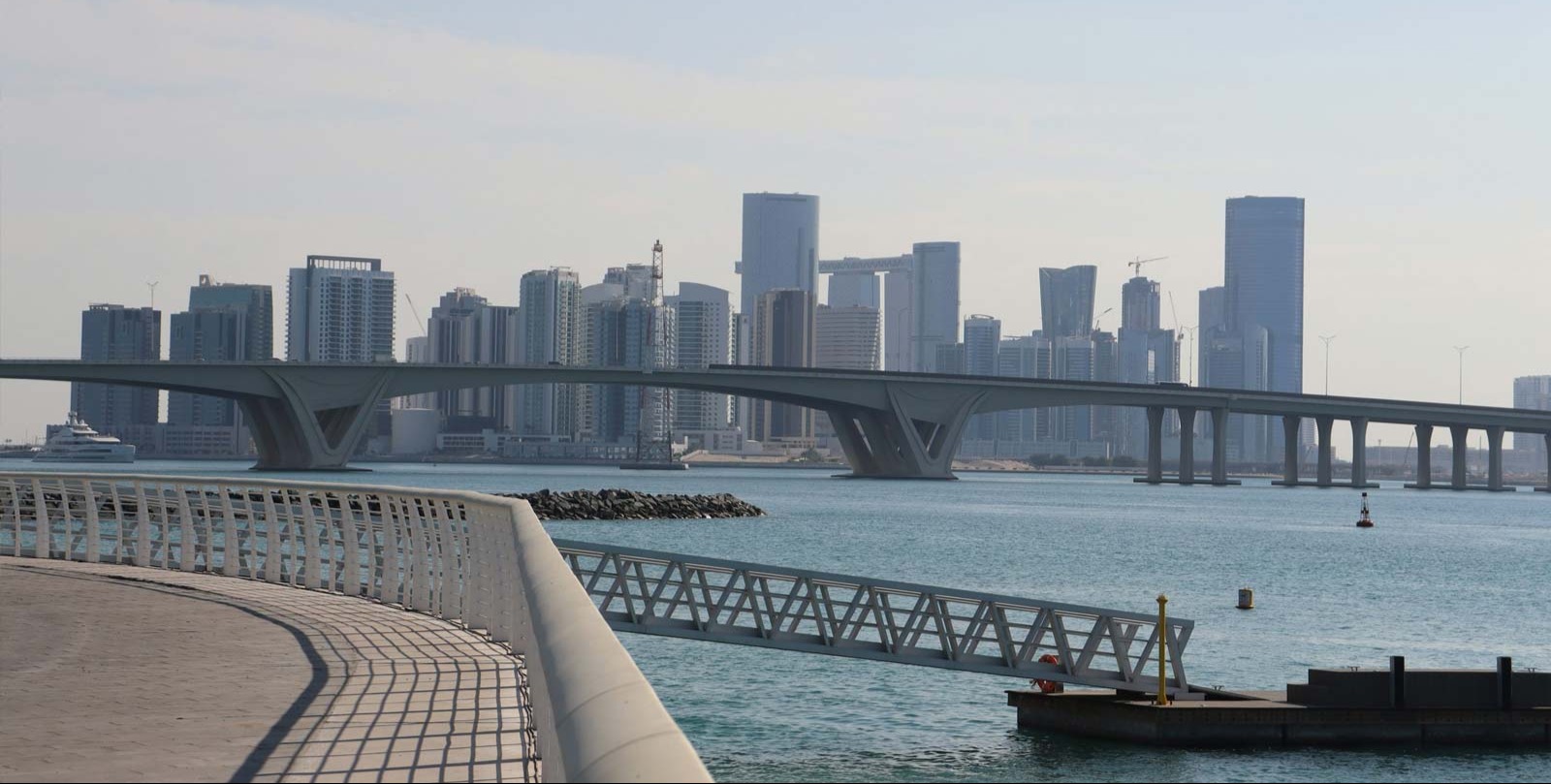
to support this claim. The incident occurred shortly after Russian and Ukrainian delegations met in Abu Dhabi to discuss peace talks. Alekseyev, who plays a significant role in Russia's intelligence services, is reportedly in critical condition following surgery. The attack has been described as a failure to protect key military personnel, and it has prompted Russia to blame Ukraine for attempting to derail the peace process.
Why It's Important?
The assassination attempt on Lt Gen Vladimir Alekseyev is significant as it could further strain relations between Russia and Ukraine, potentially impacting ongoing peace negotiations. The incident underscores the fragile nature of the peace talks and the volatility of the situation. If Russia's accusations against Ukraine gain traction, it could lead to increased hostilities and a setback in diplomatic efforts. The event also highlights the security challenges faced by Russian military officials and the potential for internal instability within Russia's military ranks.
What's Next?
The Kremlin's response to the assassination attempt will be closely watched, as it may influence Russia's diplomatic and military strategies moving forward. If Russia decides to escalate its accusations against Ukraine, it could lead to increased military tensions and a potential breakdown of peace talks. Additionally, the international community may become more involved in mediating the situation to prevent further escalation. The condition of Lt Gen Alekseyev and any subsequent developments in the investigation will also be critical in shaping the narrative and response from both Russia and Ukraine.
Beyond the Headlines
The attempted assassination of a high-ranking military official like Lt Gen Alekseyev raises questions about the internal security measures within Russia's military and intelligence services. It also highlights the potential for political maneuvering and blame-shifting in the context of international diplomacy. The incident may lead to increased scrutiny of Russia's internal security protocols and could prompt a reevaluation of its approach to protecting key personnel. Furthermore, the event could influence public perception and political discourse within Russia, potentially affecting President Putin's domestic and international strategies.