
What's Happening?
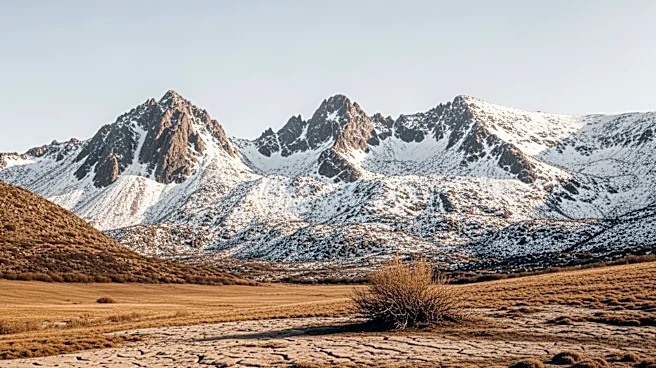
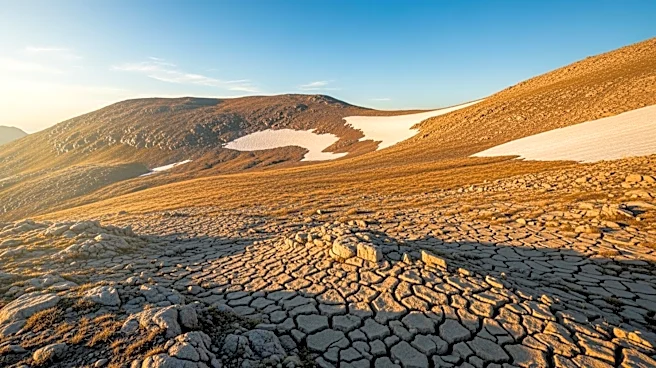
Oregon is facing potential drought conditions and increased wildfire risk due to an unusually mild winter and dry spring, according to state climatologist Larry O'Neill. The snowpack, which serves as a crucial
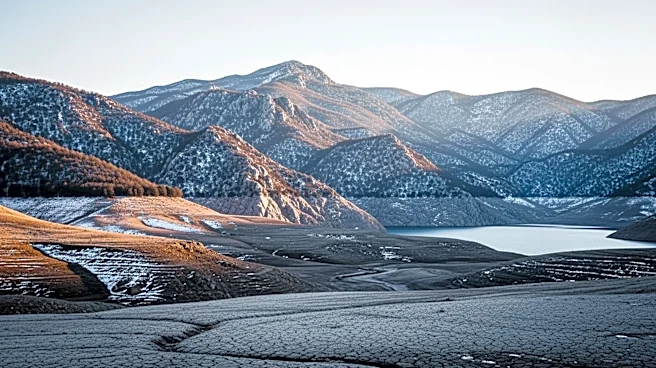
water reservoir, is at record-low levels, raising concerns about water supply. In response, Governor Tina Kotek has declared drought emergencies in three eastern Oregon counties, enabling additional state support. The situation is reminiscent of the 2015 drought, which had long-lasting impacts on local fisheries. State agencies and industries are preparing for a challenging summer, with efforts focused on wildfire prevention and water conservation.
Why It's Important?
The potential drought and increased wildfire risk in Oregon could have significant impacts on the state's environment and economy. Prolonged drought conditions can lower water levels and increase water temperatures, adversely affecting native fish species such as trout and salmon. Additionally, the risk of wildfires poses a threat to communities and critical infrastructure, necessitating preparedness measures from state agencies and local fire departments. The situation underscores the importance of proactive environmental management and resource conservation to mitigate the effects of climate change.
What's Next?
State agencies are actively preparing for the upcoming wildfire season, emphasizing the creation of defensible spaces and community readiness. The Oregon State Fire Marshal is working with local fire departments to enhance their capacity through grants and training. Meanwhile, the Oregon Cattleman's Association is implementing strategies to reduce drought and wildfire risk, such as livestock grazing to manage fuel loads. As the summer approaches, residents are encouraged to adhere to fire safety regulations to prevent human-caused fires.
Beyond the Headlines
The current climate outlook highlights the broader challenges posed by climate change, including the need for sustainable water management and wildfire prevention strategies. The situation in Oregon serves as a reminder of the interconnectedness of environmental factors and the importance of resilience planning. Long-term efforts to protect riparian zones and manage water resources are crucial for maintaining ecological balance and supporting local industries.