






What's Happening?
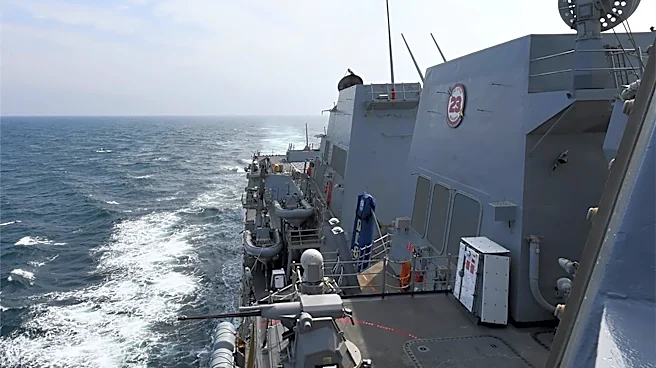
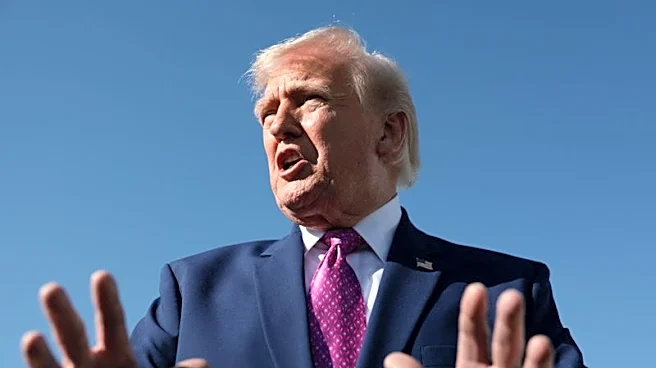
The ongoing conflict in Iran, initiated by President Trump, is placing significant economic pressure on European countries. Despite logistical and intelligence support from some European nations, Trump has criticized European allies, accusing them of
not contributing enough to the war effort. This has led to strained relations, with European countries questioning the benefits of their alliance with the U.S. The situation was discussed on 'Washington Week With The Atlantic,' where panelists highlighted the growing opposition to Trump's approach and the unclear objectives of the war.
Why It's Important?
The conflict in Iran and the resulting strain on U.S.-European relations could have far-reaching implications for international diplomacy and economic stability. European countries are key allies in global security efforts, and their cooperation is crucial for addressing international conflicts. The tension could lead to a reevaluation of alliances and partnerships, potentially weakening collective security efforts. Additionally, the economic impact on Europe could affect global markets and trade relations, further complicating international economic dynamics.
What's Next?
As the conflict continues, European countries may seek to assert more independence in their foreign policy decisions, potentially leading to a shift in global alliances. The U.S. may face increased pressure to clarify its objectives in Iran and work towards a resolution that considers the interests of its allies. Diplomatic efforts may intensify to repair relations and ensure continued cooperation on security and economic issues. Observers will be watching for any changes in U.S. policy or European responses that could signal a shift in the current dynamics.
Beyond the Headlines
The situation highlights the complexities of international alliances and the challenges of maintaining cooperation amid differing national interests. It raises questions about the future of transatlantic relations and the ability of countries to navigate geopolitical tensions. The conflict also underscores the importance of clear communication and shared objectives in international diplomacy, as well as the potential consequences of unilateral actions on global stability.