








What's Happening?
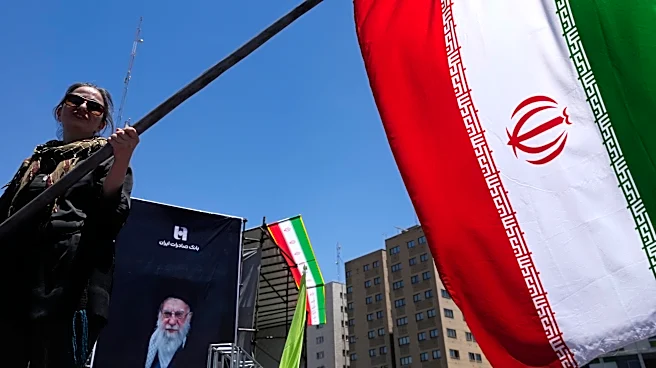
President Trump's recent framework agreement with Iran marks a significant step towards resolving nuclear tensions, but challenges remain. The deal, set to be signed on Friday, aims to lift the US blockade in exchange for Iran allowing vessel passage
through the Strait of Hormuz. However, the agreement is a temporary measure, with further negotiations needed to address Iran's nuclear program. The situation is complicated by ongoing conflicts, including Israel's military operations against Hezbollah in Lebanon. The deal's success depends on effective implementation and addressing unresolved issues.
Why It's Important?
The framework agreement represents a critical diplomatic effort to address nuclear tensions and promote regional stability. However, the temporary nature of the deal and the need for further negotiations highlight the complexities of achieving a comprehensive resolution. The situation underscores the importance of continued diplomatic engagement and international cooperation to address broader geopolitical challenges. The outcome of the negotiations will have significant implications for regional security and global economic stability.
What's Next?
As the agreement moves towards implementation, stakeholders will need to address unresolved issues and work towards a comprehensive resolution. The US and its allies may need to strengthen diplomatic and economic measures to ensure compliance and address regional security concerns. The situation may lead to increased international engagement and discussions on strategies to prevent future conflicts and promote stability in the region.