


What's Happening?
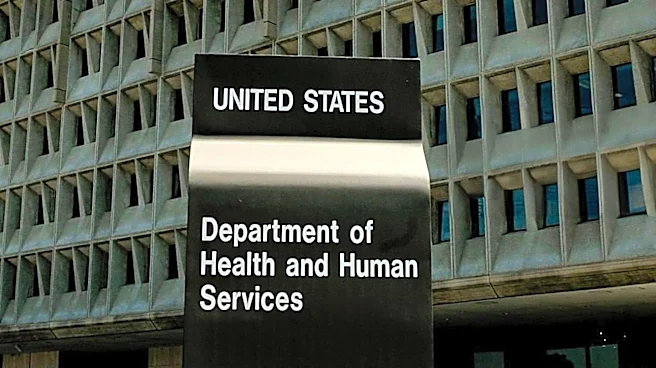
The Department of Health and Human Services (HHS) is responsible for drafting and enforcing rules under Title II of the Health Insurance Portability and Accountability Act (HIPAA). These rules, known as 'Administrative Simplification' provisions, aim
to enhance the efficiency of the healthcare system by establishing standards for the use and dissemination of health care information. Specifically, HHS has promulgated five rules: the Privacy Rule, the Transactions and Code Sets Rule, the Security Rule, the Unique Identifiers Rule, and the Enforcement Rule. These regulations apply to 'covered entities' such as health plans, healthcare clearinghouses, and healthcare providers that transmit health data. The HHS also plays a role in ensuring compliance, as entities like LTCA must make their internal practices and records available to the Secretary of Health and Human Services for compliance determination regarding the Privacy Regulation. The Health Information Technology for Economic and Clinical Health (HITECH) Act, signed in 2009, further revised HIPAA's Privacy and Security Rules, extending requirements to 'Business Associates' and increasing penalties for noncompliance.
Why It's Important?
The HHS's role in enforcing HIPAA is crucial for safeguarding individually identifiable health information across the U.S. healthcare system. These regulations protect patient privacy and ensure the secure handling of sensitive medical data, which is vital for maintaining public trust in healthcare providers and insurance entities. The 'Administrative Simplification' rules streamline healthcare operations by standardizing information exchange, reducing administrative burdens, and improving data accuracy. The extension of HIPAA requirements to 'Business Associates' through the HITECH Act signifies a broader scope of accountability, ensuring that third-party service providers handling health information also adhere to strict privacy and security standards. Non-compliance can lead to significant financial penalties, with a maximum of $1.5 million per violation, underscoring the importance of robust data protection practices for all entities involved in healthcare data processing. This regulatory framework helps prevent fraud and abuse, contributing to a more secure and efficient healthcare environment for millions of Americans.
What's Next?
Entities handling protected health information, including insurance carriers and their associates, must continue to adhere to the evolving HIPAA regulations and any subsequent updates from the Department of Health and Human Services. Regular reviews of internal practices, books, and records will be necessary to demonstrate compliance, especially when requested by the Secretary of Health and Human Services. The ongoing emphasis on data security and privacy means that organizations will need to invest in robust administrative, physical, and technical safeguards to protect electronic protected health information. Furthermore, the potential for increased penalties for noncompliance based on negligence levels will likely drive a proactive approach to data protection and privacy training for all personnel involved in handling health data. Future legislative actions or technological advancements may also prompt further revisions to these rules, requiring continuous adaptation from covered entities and business associates.
Beyond the Headlines
The stringent regulations enforced by the Department of Health and Human Services regarding HIPAA highlight a broader societal concern about data privacy in the digital age. Beyond the immediate financial and operational impacts on healthcare entities, these rules foster an ethical framework for handling personal health information. The emphasis on 'minimum necessary' disclosure and the requirement for written agreements with third-party service providers reflect a deep commitment to patient autonomy and control over their medical data. This regulatory environment also encourages technological innovation in secure data transmission and storage, pushing the industry towards more resilient cybersecurity measures. The long-term implication is a continuous evolution of privacy standards, influencing not only healthcare but also other sectors dealing with sensitive personal information, as the public increasingly demands greater protection of their digital footprints.