


What's Happening?
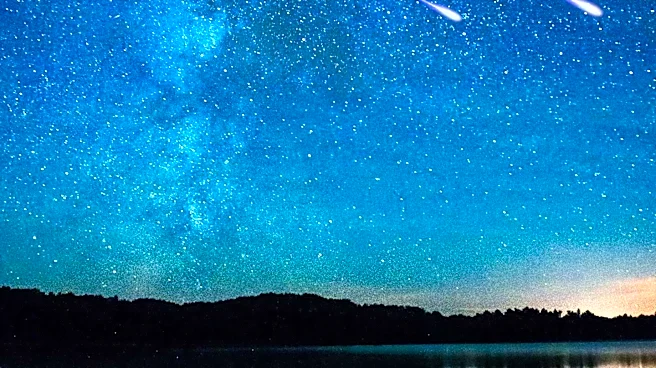
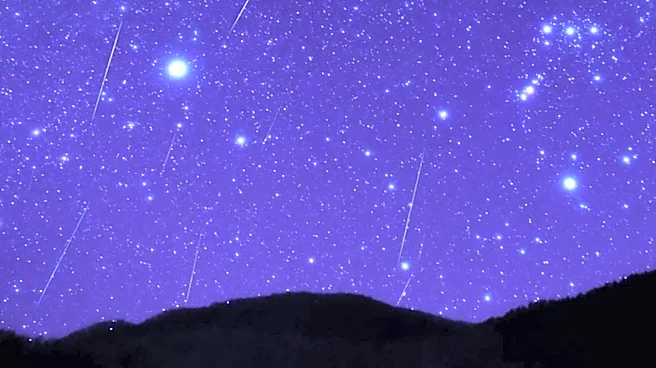
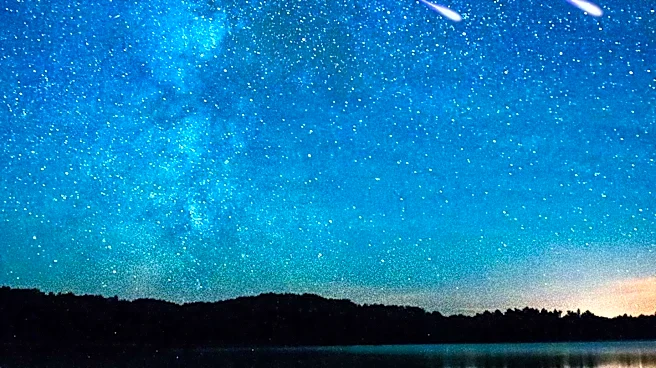
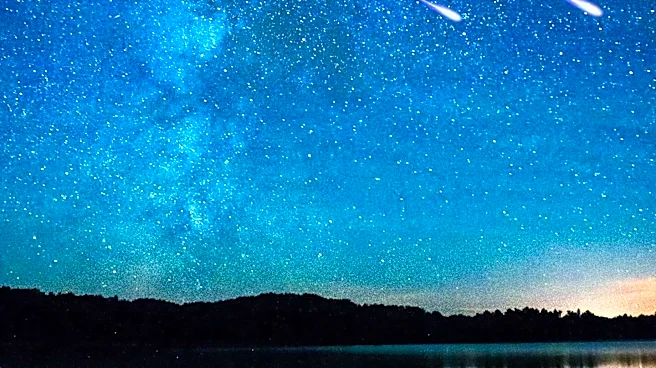
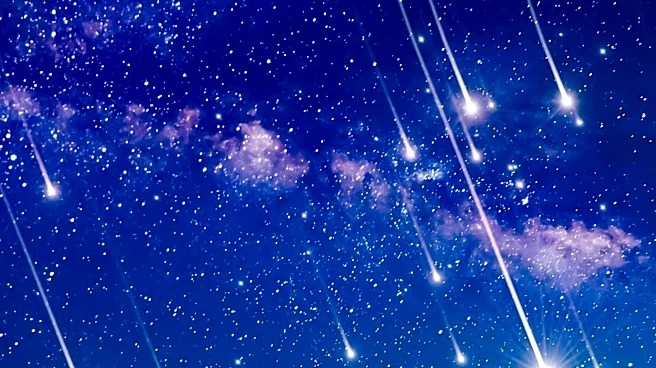
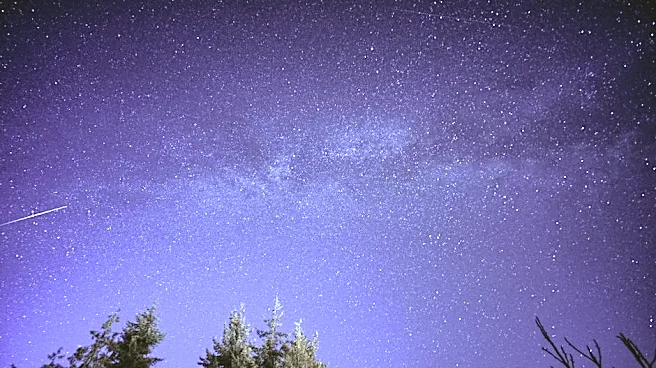
The Alpha Capricornid meteor shower, known for its bright fireballs, is currently active and will continue until August 15, 2026. This meteor shower is caused by debris from Comet 169P/NEAT, which produces larger dust particles that result in spectacular
views. The moderate speed of the meteors allows for deeper atmospheric penetration, creating longer-lasting and brighter fireballs. The Southern Delta Aquariids are also active, overlapping with the Alpha Capricornids, and together they could produce up to 30 meteors per hour under ideal conditions. The best viewing time is expected to be the night of July 30 into the early morning of July 31, coinciding with the peak of the Alpha Capricornid shower.
Why It's Important?
The Alpha Capricornid meteor shower offers a unique opportunity for stargazers and astronomy enthusiasts to witness bright fireballs, which are less common in other meteor showers. This event highlights the importance of understanding celestial phenomena and encourages public interest in astronomy. It also emphasizes the need for dark sky preservation, as light pollution can hinder the visibility of such events. The meteor shower can attract tourists to areas with optimal viewing conditions, benefiting local economies. Additionally, it serves as an educational tool, inspiring interest in science and space exploration among the public.
What's Next?
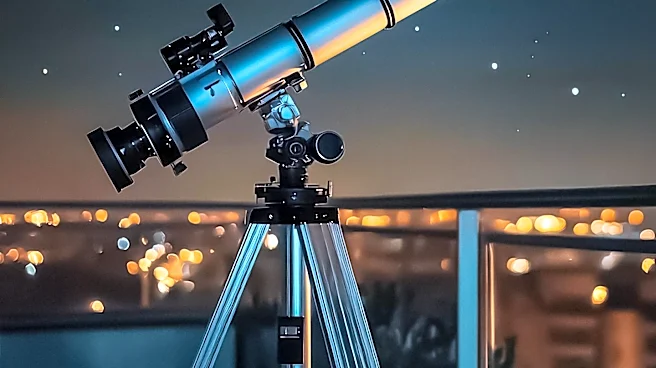
As the peak of the Alpha Capricornid meteor shower approaches, astronomy clubs and observatories may organize public viewing events to enhance the experience. The media will likely provide coverage and tips for optimal viewing. Following the Alpha Capricornids, other meteor showers, such as the Perseids, will continue to offer stargazing opportunities throughout the summer. These events will maintain public interest in astronomy and encourage further exploration of the night sky.